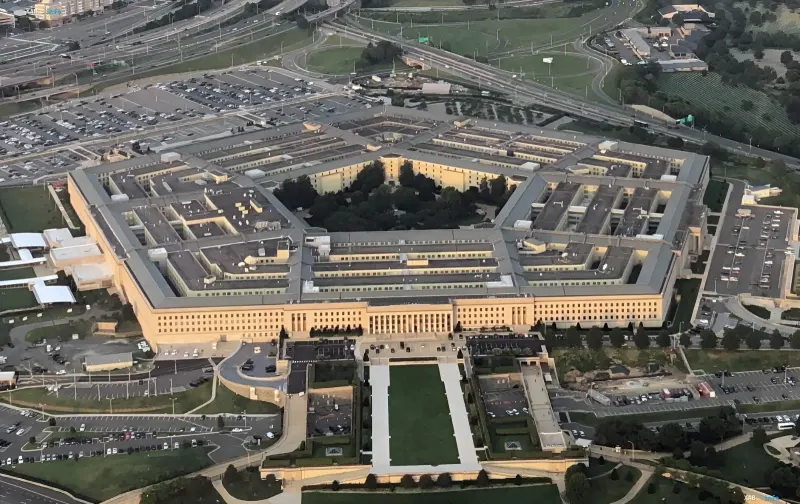
US military spending on the war against Iran has exceeded $47 billion. According to reports cited by RBC-Ukraine referencing The Times of Israel, this figure is more than 25% higher than the US Department of Defense's projected estimate released in July. Thus, the actual financial burden on the Pentagon's budget has turned out to be significantly higher than the initial forecast, pointing to the protracted and resource-intensive nature of the confrontation.
Where the Main Share of Expenses is Concentrated
A key portion of the costs is tied to the need to replenish weapon stockpiles and replace military equipment used or lost during combat operations. Specifically, more than $29 billion is required to replenish expended ammunition, while another $6+ billion goes toward replacing military hardware. These two categories form the bulk of the budget, which is typical for a conflict with high-intensity missile and precision-guided weapon usage.
What is Not Included in the Official Estimate
The provided data does not contain a clear assessment of the costs for repairing US military bases damaged as a result of Iranian missile and drone attacks. This means that actual US war expenditures could turn out to be even higher, as restoring the damaged infrastructure will require additional funds that are not yet included in the public figures.
Dynamics Over the Past Month
The Pentagon last reported on the financial aspect of the war in September, when the amount stood at just under $44 billion. Consequently, over the past month of the conflict, more than $3 billion has been drawn from the Pentagon's budget. This dynamic confirms a steady increase in expenditures as combat operations continue.
Context and Future Risks
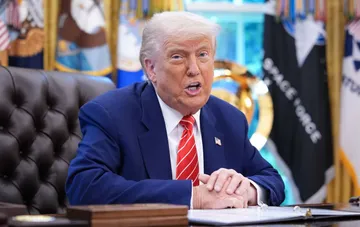
Against the backdrop of these financial data, media reports indicated that Donald Trump might launch a new phase of war against Iran—either before or after the midterm congressional elections. Furthermore, according to US intelligence data, Iran may be preparing assassination attempts against American officials; in this regard, Washington has quietly begun evacuating some diplomats from Middle Eastern countries. The combination of these factors indicates that the financial and operational burden on the American side of the conflict could remain elevated in the coming months.