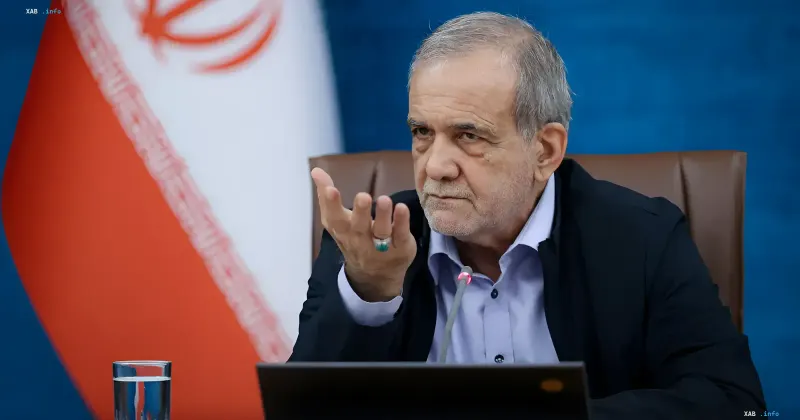
Iranian President Masoud Pezeshkian, during an official speech in Tehran, confirmed that the Islamic Republic remains committed to a diplomatic path and is ready to resume constructive dialogue with the United States. This statement comes against the backdrop of ongoing regional tensions and a stalemate in the diplomatic process following a series of recent inconclusive contacts between representatives of the two nations.
Diplomatic Efforts and Mutual Claims
According to the Iranian leader, Tehran has never fundamentally shied away from the negotiation process with Washington, but real progress is being stalled by a lack of reciprocal political will from the US administration. The Iranian side emphasizes that it is awaiting the White House's response to its latest initiatives, while the US accuses Iran of lacking a sufficient commitment to compromise on key regional security issues.
Contradictory Data
While official statements from President Masoud Pezeshkian convey a readiness for compromise and an agreement, independent experts and alternative sources point to a deep crisis of trust. A number of analytical reports argue that the Iranian leadership has effectively lost faith in the effectiveness of direct or indirect contacts with Washington amid harsh sanction policies. Furthermore, the situation is complicated by harsh statements from the US leadership regarding the possibility of coercive pressure if diplomatic mechanisms do not yield quick results.
Negotiation Stalemate and Military Risks
A recent round of indirect talks between delegations from the two countries in New York ended without results, after which Iranian Foreign Minister Abbas Araghchi returned to Tehran. US media reported on the details of Iran's proposals, including initiatives to unblock sea routes in exchange for lifting the oil embargo and ending the blockade, but these conditions were rejected by the American side at the highest level.
Potential Consequences for the Region
Further lack of progress on the diplomatic track creates high risks of military escalation in the Middle East. Statements by the US administration regarding the likelihood of increased coercive pressure after domestic political procedures in the US lead military analysts to predict a new round of confrontation capable of destabilizing the entire regional security architecture.