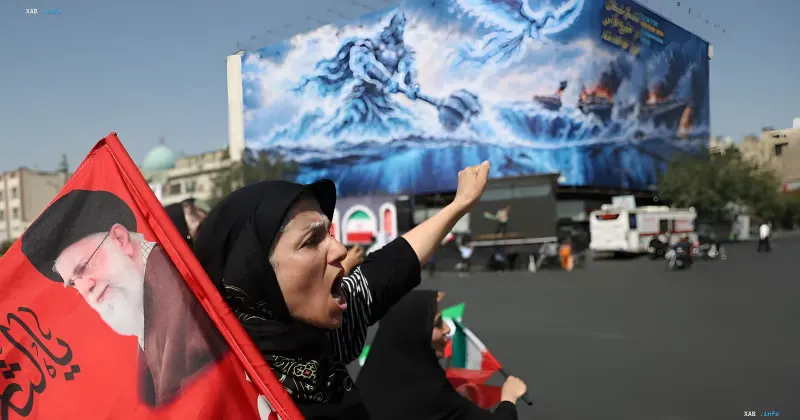
Iran's proposal for a seven-day plan to resume operations in the strategically vital Strait of Hormuz has become a subject of active international discussion. According to Ross Harrison, a senior fellow at the Middle East Institute, this initiative served as a gesture of goodwill by Tehran aimed at demonstrating a readiness for dialogue to both its own population and the American public. This pursuit of a diplomatic way out of the crisis brought Iranian officials to New York last week to participate in UN General Assembly events.
Expected Rejection and Tehran's Strategic Priorities
Despite putting forward this initiative, the Iranian leadership harbored no illusions from the start regarding Washington's reaction. According to expert assessments, Iranian leaders were practically certain that US President Donald Trump would reject the proposed plan because it resembled a memorandum of understanding signed back in June. Tehran believed the American side had done everything possible to prevent the implementation of that agreement, which preemptively removed any element of surprise regarding the current rejection. Currently, Iran's focus is on two key aspects: the immediate opening of the strait by drawing vessels closer to the Iranian coast, and shaping the post-war reality of the region, including potentially introducing a customs tariff system and actively lobbying interests among Arab Gulf states.
Diplomatic Discrepancies and Official Positions
The situation around the Strait of Hormuz remains tense amid mutual accusations and inconsistent diplomatic signals. Iranian Foreign Minister Abbas Araghchi emphasized that resolving the conflict with the US and Israel is possible exclusively through peaceful means upon fulfilling Tehran's clear conditions. While Donald Trump publicly rejected the peace plan, telling reporters at the White House that Iran's desperation was driven by massive economic losses from reduced shipping, the Iranian side maintains that intermediaries have not yet delivered an official rejection. The Iranian Foreign Minister noted that a final decision will be made after receiving the official stance through mediating channels.
Contradictory Data
Coverage of the current diplomatic crisis reveals notable discrepancies between leaders' public rhetoric and behind-the-scenes assessments. Donald Trump flatly stated that Iranian initiatives were rejected and linked them to Tehran's financial collapse, whereas Foreign Minister Abbas Araghchi insists there have been no official notifications from Qatari intermediaries. Furthermore, the Wall Street Journal reported on a potential escalation of the US military campaign and plans for new bombings following the November midterm congressional elections, while US officials earlier described closed-door mediation talks as exclusively 'positive and constructive.'
Economic Pressure and Future Prospects
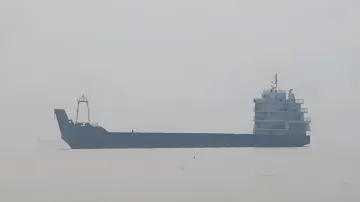
The economic factor continues to play a defining role in the escalation of the conflict in the Persian Gulf region. The United States maintains strict economic sanctions against Iran to pressure Tehran into halting attacks on commercial vessels, which have paralyzed shipping despite US administration assurances of full control over the waterway. The expert community agrees that the current deadlock is unlikely to be resolved through forceful methods, and further developments will depend on the parties' willingness to compromise after internal electoral processes in the US conclude.