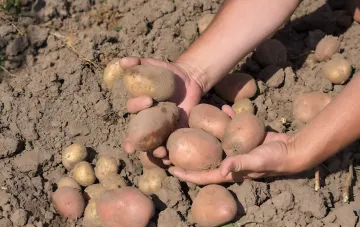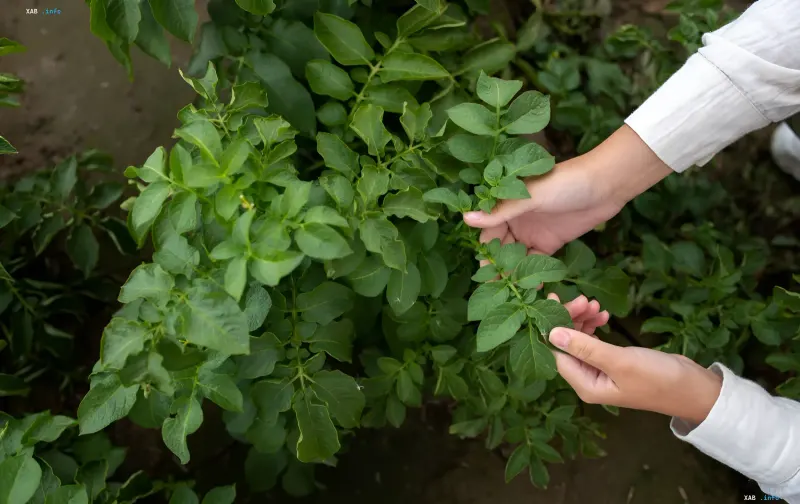
For many Ukrainians, the fight against the Colorado potato beetle is an annual ritual requiring considerable effort. However, in the summer of 2025, farmers and private landowners across the country noticed a strange phenomenon: the familiar pest almost disappeared from the fields. This was particularly evident in the southern and central regions, where potato beds remained practically undamaged for the first time in a long while.
Three Factors That Changed the Situation
According to Mykola Furdyga, Director of the Institute of Potato Growing at the National Academy of Agrarian Sciences of Ukraine, the sharp decline in the beetle's population is the result of a coincidence of three key circumstances.
First, the area under potatoes in the private sector has decreased. Fewer plantings mean more attention is paid to each plot. People have become more diligent in treating their beds and monitoring the threshold of harmfulness, preventing the beetle from spreading.
Second, weather conditions played a decisive role. Heavy rains at the beginning of the season prevented the insects from burrowing to their usual depth for hibernation. As a result, a portion of the adult beetles (imago) simply froze to death. Additionally, the cold spring curbed mass reproduction—instead of the usual two to three generations of beetles, there were none this year.
GMO or Biological Warfare?
Sergiy Hlotov, an entomologist from Taras Shevchenko National University of Luhansk, proposed another theory: perhaps breeders have developed genetically modified potato varieties that the Colorado potato beetle does not eat. "It turned out to be easier than spraying the pests," he noted.
However, Hlotov emphasized that the beetle has not disappeared completely—it can still be found on nightshade crops. Furthermore, he pointed to the reduction in the number of private plots where people grow potatoes themselves as an additional factor in the population decline.
Drought vs. Rain: Regional Differences
Yevhen Khlaim, a leading specialist at the Odesa Experimental Phytosanitary Laboratory, described the situation as "more of a one-off event." According to him, an abnormal drought was observed in the southern and central regions during the summer, which caused a decline in the pest population. Meanwhile, in the northern and western regions, where it rained and temperatures were moderate, the beetle population remained at the previous level.
Biological Method: Why the Perillus Bug Didn't Succeed
The Colorado potato beetle is native to North America and was introduced to Ukraine in the 1960s. Shortly thereafter, there was an attempt to acclimatize its natural enemy—the Perillus bug (Perillus bioculatus), which feeds on the beetle's larvae. This biological control method still exists, but the bug's population is too small to completely eradicate the pest.
"It was necessary to breed a large number of bugs under laboratory conditions. And that is somewhat difficult," explained Khlaim. The bug has settled, but its population is insufficient for the total destruction of the Colorado potato beetle.
What's Next?
Experts agree: the decline in the beetle's population is a temporary phenomenon. Weather conditions, changes in the structure of agriculture, and the emergence of new control methods may provide a temporary respite, but completely eradicating the pest is currently impossible. Nevertheless, the summer of 2025 became a unique case where nature and man together achieved a rare victory over one of the most vicious enemies of the Ukrainian garden.