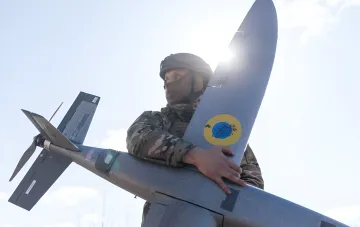
In the Rostov region, one of the country's main breadbaskets, farmers are facing unprecedented difficulties. A nationwide fuel crisis, a direct consequence of Ukrainian drone strikes on Russian oil refineries, combined with hostilities in the Sea of Azov, is paralyzing agricultural operations. The situation in southern Russia demonstrates the scale of the consequences resulting from the intensified campaign of attacks on energy infrastructure and the escalation of maritime conflicts.
Diesel shortage and queues at gas stations
The main blow has been to logistics. A surge in the price of diesel fuel, essential for operating tractors and combines, has forced farm workers to spend hours in queues just to refuel their machinery and reach the fields. According to experts, due to the rising cost of fuel, farmers are already losing about 1,000 rubles for every ton of grain harvested. This financial blow is felt even on a global scale: the rise in fuel prices due to attacks on refineries has been felt even in the USA.
The Russian Ministry of Agriculture, acknowledging concerns about fuel shortages in all regions, has promised farmers state support and the provision of necessary resources. However, the reality on the ground looks different: Russian refineries currently cover only about 65% of the country's seasonal demand for gasoline. Even Vladimir Putin recently admitted that Ukrainian drone attacks have created "certain problems with petroleum products," although he assured that the situation is being brought under control.
Blockade of the Sea of Azov and the threat of export losses
In addition to the fuel crisis, the agricultural sector is suffering from shipping restrictions. The Sea of Azov is the main outlet for grain exports from the Rostov region. Due to hostilities, offers to buy grain have practically disappeared, which effectively doubles farmers' losses, bringing them to 2,000 rubles per ton. Financial pressure may force farmers to reduce sowing areas, continuing the negative trend observed since 2022.
Analysts at the research company SovEcon warn of serious risks for the global market. If a military solution to open the Sea of Azov is not found and the situation drags on for most of the second half of the year, Russia may fail to deliver 5 to 10 million tons of wheat to the global market. For comparison: last year Russia exported more than 61 million tons of grain, including 46 million tons of wheat.
Despite statements about good harvest prospects, the combination of fuel shortages and closed sea routes threatens to undermine the fulfillment of export obligations by the world's largest wheat exporter.