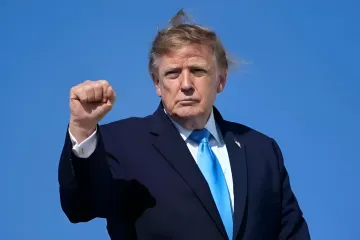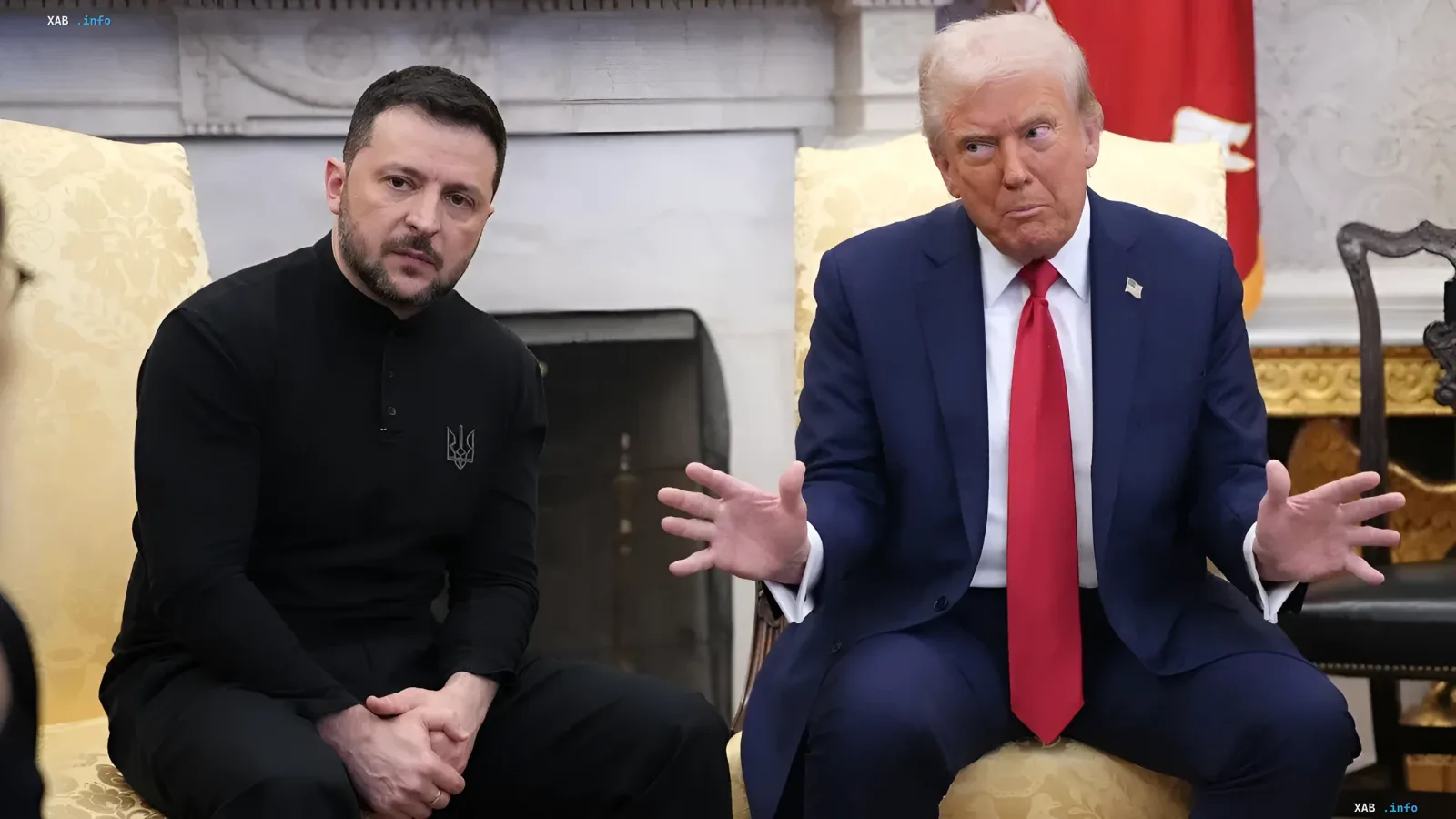
Relations between Washington and Kyiv have plunged into an unprecedented crisis after US President Donald Trump launched harsh criticism against the Ukrainian leadership. Speaking at a press conference at Andrews Air Force Base on October 11, 2026, the head of the White House openly stated that the actions of the Ukrainian military in striking oil refining facilities in Russia threaten the economic interests of the United States and global fuel market stability.
Energy Ultimatum and Protection of US Farmers
According to Donald Trump, the Ukrainian Armed Forces' attacks on Russian refineries are triggering shortages and rising diesel fuel prices worldwide. The US leader emphasized that Washington had previously repeatedly demanded that Kyiv refrain from such sabotage, but these warnings were ignored. The head of the White House placed special emphasis on protecting domestic interests, stating that Ukraine's actions hurt American farmers who depend on stable diesel supplies, a significant portion of which Russia has historically covered. Trump also questioned the current Ukrainian president's ability to negotiate constructively.
Washington-Moscow Fuel Deal
Tensions surrounding the energy issue escalated sharply against the backdrop of a phone call between Donald Trump and Russian President Vladimir Putin on October 9, 2026. Following the conversation, the parties announced an agreement regarding large-scale supplies of Russian diesel fuel to the US and global markets totaling 3 million tonnes. Washington explains this step as a pragmatic necessity to keep market prices under control and protect the national economy from shocks. However, Kyiv reacted with extreme hostility to the agreement.
Kyiv's Harsh Reaction and Accusations of Funding the War
Ukrainian President Volodymyr Zelenskyy promptly issued a fierce denial of the legitimacy of the fuel deal between the US and Russia, characterizing it as a direct investment in the Kremlin's war machine. From the Ukrainian perspective, bringing Russian petroleum products to the global market with the tacit consent of Western partners means effectively weakening sanctions pressure and financing further aggression. Such discrepancies have demonstrated a deep strategic split between allies on key issues of conflict conduct and sanctions policy.
Contradictory Data
While the US administration insists on the necessity of energy stabilization for the sake of the global market and American consumers, the Ukrainian leadership views any compromises with Moscow in the fuel sector as a betrayal of shared security interests. Additional sources also point to divergences in assessing the prospects for political settlement: the White House openly discusses the need for a leadership change in Kyiv to swiftly conclude a peace agreement, while the Ukrainian side puts forward tough counter-conditions for holding elections and insists on maintaining pressure on Russian infrastructure.
Experts note that the current wave of confrontation could significantly alter the configuration of international support for Ukraine. Ignoring Washington's direct recommendations and publicly accusing the US leadership may accelerate diplomatic pressure on Kyiv to force compromises on White House terms, creating new risks for geopolitical stability in the region.