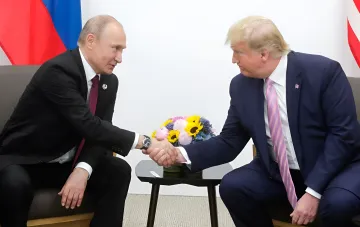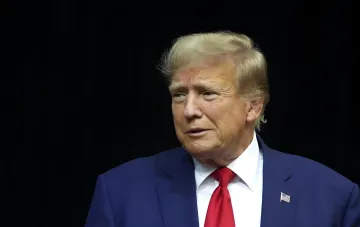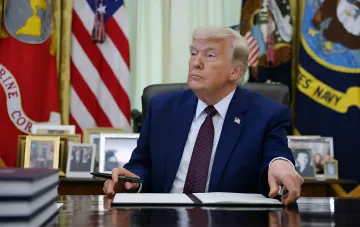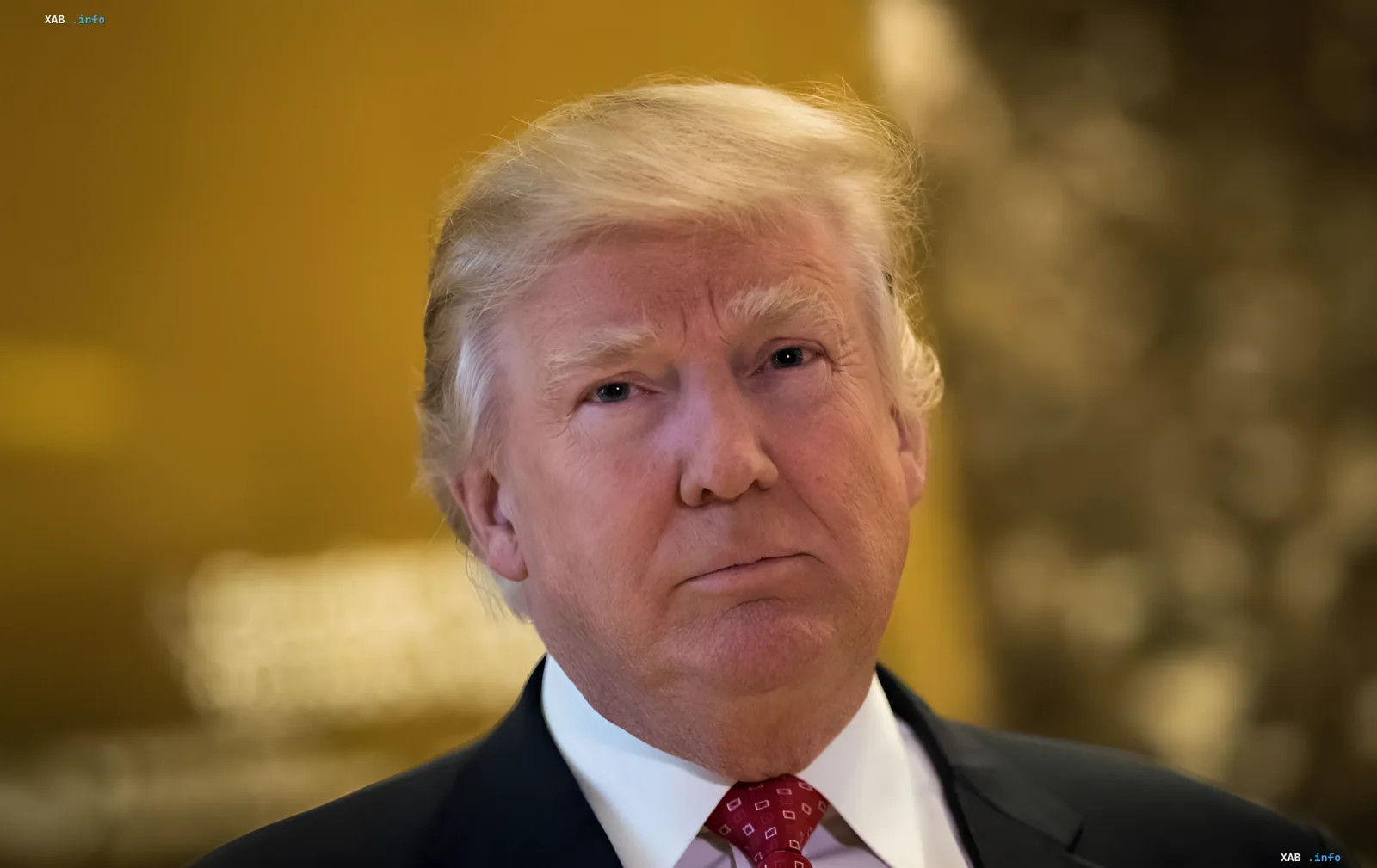
US President Donald Trump's decision to reach an agreement with the Russian leadership on the supply of diesel fuel has sparked a serious split within the Republican Party. In both houses of the US Congress, the White House initiative faced sharp rejection from influential lawmakers who pointed out the unacceptability of easing sanctions pressure on the Kremlin for short-term economic gains.
Hardline Stance of Lawmakers
One of the most vocal critics of the deal was Senator John Kennedy, who openly called Russian ruler Vladimir Putin a "butcher" responsible for the mass killings of Ukrainians and his own citizens. Kennedy emphasized that Moscow will never become a reliable partner or friend to the United States. At the same time, the lawmaker acknowledged the pragmatic desire of the Trump administration to lower fuel prices for American consumers, but noted that it would be more effective to achieve market stabilization by ending conflicts in the Middle East, particularly in Iran.
Threat to Energy Sanctions
Former House Foreign Affairs Committee Chairman Michael McCaul also expressed deep concern over the potential partial lifting of restrictions on Russia's energy sector. In his expert opinion, such steps directly feed the Kremlin's war machine, providing Moscow with additional financial resources to continue its aggressive war and destroy Ukraine's infrastructure.
Contradictory Data
Amid domestic political debates on October 11, 2026, Donald Trump made a high-profile statement about a supposedly achieved "energy truce" between Ukraine and the Russian Federation, urging the parties not to violate it. However, Ukrainian leader Volodymyr Zelenskyy instantly refuted this information, officially stating that no such agreements existed between Kyiv and Moscow. Senator Lisa Murkowski also criticized the White House, demanding the closure of any loopholes for Russian diesel exports and insisting that discussions on energy markets should only resume after the war ends.
Political Consequences for Washington
This crisis in relations between the US legislative and executive branches demonstrates deep disagreements within the Republican Party itself regarding foreign policy and sanctions. Future developments will show whether the Trump administration can overcome congressional resistance or will be forced to revise its agreements with Moscow under pressure from fellow party members.