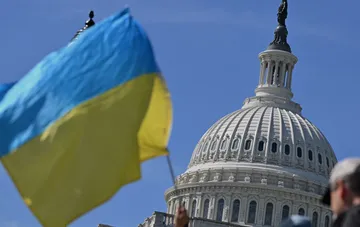
The upcoming US midterm congressional elections could fundamentally alter the American political landscape and have a significant impact on continued support for Ukraine. Amid high voter turnout and controversial rhetoric from President Donald Trump, experts are predicting serious difficulties for Republicans. It is expected that these processes will affect not only the domestic political struggle in Washington, but also the international commitments of the United States, including financial and military assistance to Kyiv.
The Impact of Trump's Rhetoric on Republican Positions
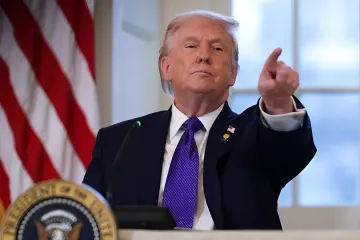
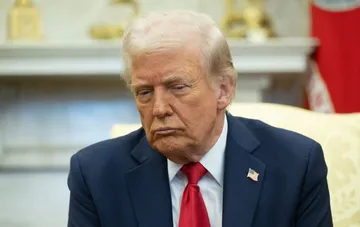
The autumn political season in the US has been marked by sharp statements and diplomatic maneuvers by Donald Trump, which include criticism of Ukraine and unexpected moves towards Moscow. However, as noted by Volodymyr Yelchenko, former Ukrainian Ambassador to the US and the UN, such a strategy is working against the Republicans themselves. According to him, such actions do not increase support for the party's candidates, but rather reduce its base among moderate voters.
Opinion polls show interesting dynamics within the Republican Party electorate: sympathies for Russia are shared by only a small number of supporters, while support for Ukraine traditionally holds at 50 to 70 percent. Attempts to pivot in foreign policy do not contribute to the White House's ratings and could result in the loss of the majority in the House of Representatives and possibly the Senate following the November vote.
Potential Consequences of Shifting the Balance of Power in Congress
The loss of control by Republicans over at least one chamber of Congress will significantly limit the executive branch's capabilities. According to Volodymyr Yelchenko's assessment, the new parliament, which will begin work in January of next year, will gain levers for strict budget control and the initiation of parliamentary investigations.
Although the US President has broad powers in the field of foreign policy, the renewed Congress will be able to influence legislative initiatives and create an extremely nervous environment for the administration. This will directly affect the coordination of budget allocations and the distribution of international aid, which is of critical importance for Ukraine.
The European Context and Global Challenges for Kyiv
In addition to domestic political turbulence in the US, alarming signals are coming from Europe, where internal crises and electoral cycles are also distracting key allies from countering Russian aggression. In these conditions, Ukrainian diplomacy has to act as flexibly and decisively as possible.
Kyiv needs not only to maintain the support of traditional Western partners amid a changing political climate, but also to actively look for new points of contact with Global South countries. Further developments will show how effectively the international coalition can adapt to the new political realities after the November elections.
Significance of Events and Outlook
The results of the November US congressional elections will determine not only the balance of power in the Washington establishment for coming years, but also the trajectory of Western aid to Kyiv. A shift in balance in favor of the opposition could strengthen parliamentary control over the White House, forcing the administration to consider the position of lawmakers on key foreign policy and budget issues. In this situation, Ukraine will have to build a pragmatic dialogue taking into account potential institutional changes in Washington and European capitals.