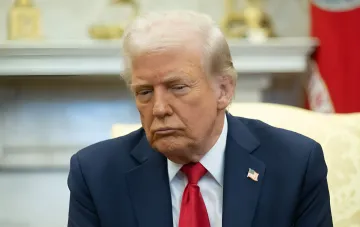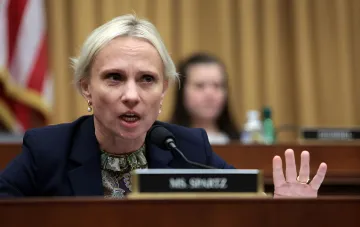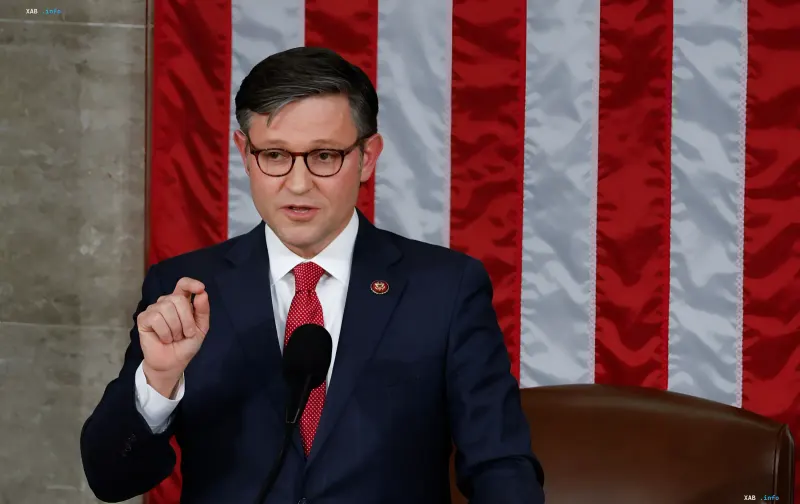
The Republican leadership of the US House of Representatives has advanced a negotiating position proposing to strip a number of provisions concerning military and intelligence support for Ukraine from the annual National Defense Authorization Act (NDAA). According to NBC News, citing seven sources directly familiar with the congressional negotiations, the initiative is spearheaded by House Speaker Mike Johnson and Foreign Affairs Committee Chairman Brian Mast.
The Goal of the Maneuver: Control Over Hegseth and Trump
According to sources, the primary goal of the Republican leadership is to force Democrats to drop provisions that strengthen Congress's oversight authority regarding Defense Minister Pete Hegseth and President Donald Trump. The NDAA annually sets US defense policy and authorizes corresponding spending, meaning any change to its content has direct practical consequences for mechanisms of military aid, intelligence sharing, and sanctions pressure on Russia.
Context: Escalation Over Hegseth
The dispute surrounding the content of the defense bill has sharply escalated against the backdrop of criticism directed at Pete Hegseth regarding the military operation against Iran and personnel decisions in the US armed forces. Last week, the House blocked an attempt to impeach the defense minister, which, according to negotiators, increased the motivation of the Republican leadership to defend its position within the NDAA.
Negotiations Move to Committee Level
According to NBC News, discussions on the final version of the defense bill have moved to the level of the parliamentary committee and party leadership. The document is expected to be agreed upon during the first week of December 2026. Sources emphasize that at this stage it is exclusively a negotiating position held by part of the Republican leadership: a decision to strip the provisions regarding Ukraine has not yet been made, and current US military aid mechanisms do not automatically cease because of this dispute.
Broader Picture: Confrontation with Democrats After Midterms
The situation with the NDAA fits into the broader context of escalating conflict between the administration and the Democratic Party following the US midterm elections. As previously reported by RBC-Ukraine, the White House is preparing to actively counter large-scale Democratic-led investigations, including obstructing congressional requests and interpreting certain actions by lawmakers as potential criminal offenses. At the same time, Democrats are preparing a $15 billion military aid package for Ukraine and plan to seek a revision of Washington's sanctions policy against Moscow. Thus, the fate of the Ukrainian provisions in the NDAA will become a key bargaining chip in upcoming inter-congressional negotiations.