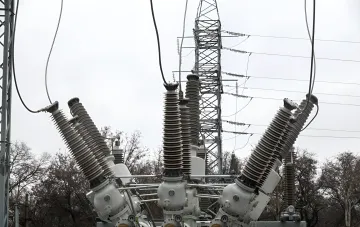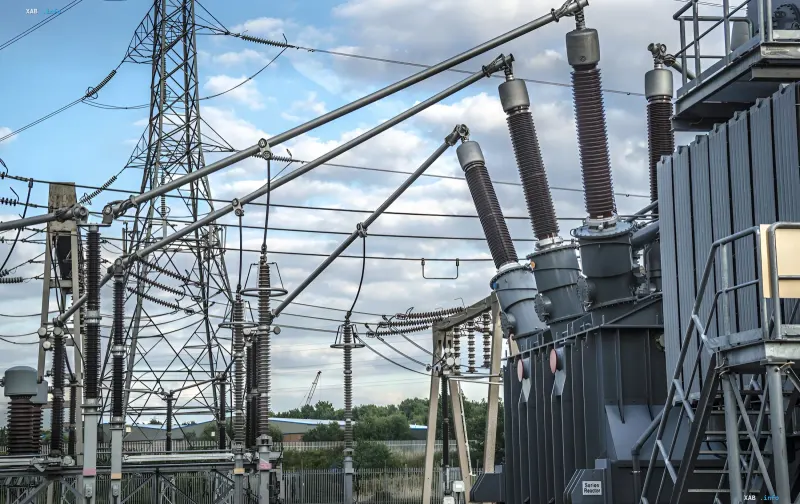
The construction of protective structures for 110 kV substations in the Kyiv region has faced systemic delays, the reasons for which were detailed in an interview with RBC-Ukraine by entrepreneur Vladislav Sokolov, whose company supplied metal for the sites. According to him, a combination of factors—from chronic underfunding to regular air raids that reduced working time to one or two hours a day—made it impossible to meet initial deadlines. At the time of publication, about 17 of the 26 substations are in the final stages, but the overall schedule remains behind plan.
Funding did not cover even the cost of the metal
Sokolov identified the discrepancy between state expertise estimates and actually allocated funds as a key cause of the delays. The cost of building 26 protective structures, according to state examination, is nearly 2.4 billion UAH, while 1.16 billion UAH was transferred to the Kyiv Regional State Administration accounts during 2026. General contractors were paid 823 million UAH in total, including 580 million UAH in initial advance payments and additional funding. Sokolov’s company, as a metal supplier, received only 255 million UAH. At the same time, the demand for metal for the 26 sites was estimated at about 16,000 tons, and the cost of the metal alone, excluding the manufacturing of metal structures, reached approximately 1 billion UAH. "No two billion hryvnias were paid out. It would have been impossible to steal them because the state did not even allocate such funds," the businessman emphasized.
Metal intensity tripled after coordination with the General Staff
Project documentation, approved by the General Staff, provides for a metal intensity of about 600 tons for each protective structure. According to Sokolov, this figure was 180 tons at the initial sites in Petrivtsi and Borodyanka, but after adjusting load-bearing requirements—to withstand drone and ballistic missile strikes—it was increased to 600 tons. The cost of metal includes additional expenses for concrete, formwork, construction equipment, labor, and the manufacturing of metal structures, which is estimated at 25,000–28,000 UAH per ton. Sokolov emphasizes that his company provided the sites with metal from start to finish, including the installation of anti-drone screens, despite incomplete funding.
Late handover of sites and worker mobilization
The businessman identified the late handover of certain sites, which occurred only at the end of August with work beginning in late August or early September, as a second reason for the delays. "How can one build protective structures of such high complexity in two months? From a construction point of view, it is impossible. There are certain technological processes that must be followed," said Sokolov. A third factor was the mobilization of workers directly from construction sites. According to the entrepreneur, the Minister for Restoration, Infrastructure, and Transport, Mykola Kalashnyk, promised to secure critical status for contractor companies, but these obligations were not fulfilled.
Air raids reduced the workday to one hour
A fourth cause, and according to Sokolov, one of the most detrimental to the schedule, were regular air raids, during which the military prohibited staying on construction sites and demanded evacuation. At some locations, actual working time was reduced to one or two hours a day. Specifically, at the "Polimerna" site in Vyshhorod, alarms occurred more frequently than at other sites, which the businessman attributes to the flight paths of drones in that direction. At the same time, payment for the use of equipment and labor was made for a full workday regardless of the actual duration of work, which created direct losses for subcontractors and general contractors.
Construction status and administrative changes
Despite these difficulties, according to Sokolov, about 17 of the 110 kV substations, including those in Chabany, Tarasivka, Obukhiv, Kniazhychi, Boryspil, Myrna, Hostomel, and Zhuliany, are already in the final stages of construction; some have already had walls concreted. Simultaneously, according to data published in Ukrainian media, the Kyiv region was supposed to accelerate the provision of a second level of protection for key substations against conventional and ballistic threats by November 15. Responsibility for implementing this task has been assigned to Deputy Minister for Restoration Oliynyk, indicating increased administrative control over the project amid tight deadlines.