Amid prolonged military conflicts and the rapid depletion of arsenals, the NATO alliance has faced an unexpected and critical problem. It turns out that the key factor limiting the ramp-up of artillery ammunition production is not metal or machinery, but an agricultural crop — cotton.
As reported by RBK-Ukraine, citing the authoritative publication The Wall Street Journal, North Atlantic Treaty Organization countries are experiencing an acute shortage of raw materials necessary for the production of explosives. Without this component, it is impossible to ensure the uninterrupted operation of artillery.
The secret ingredient of smokeless powder
The production of modern smokeless powders is based on nitrocellulose, also known as pyroxylin. The chemical formula of this compound depends on the quality of the raw material. The main source of cellulose for military needs are so-called linters — short, hairy fibers that remain on cotton seeds after their primary processing.
It is these seemingly insignificant remnants of textile production that have become the "bottleneck" for the defense industry. Limited global reserves of high-quality cotton have turned into one of the main obstacles for NATO, which is trying to quickly replenish ammunition reserves.
"NATO does not have enough resources. Limited cotton reserves are one of the biggest problems the alliance faces in its efforts to increase ammunition stocks," The Wall Street Journal states.
Plan to double capacity
The situation requires radical measures. According to experts, to safeguard logistics chains from disruptions and emergencies, Europe needs to radically rethink its approach to chemical production. The countries of the continent need to increase their own nitrocellulose production capacity by more than two times — to 20,000 tons per year.
To solve this task, European states are already launching large-scale projects for the modernization and construction of new plants:
- Germany: The leading defense conglomerate Rheinmetall has begun converting a civilian nitrocellulose plant. The facility will be fully reprofiled for military needs to supply the alliance's army.
- Poland: Warsaw plans to build a fundamentally new industrial enterprise specializing in the production of this critically important chemical compound.
Bureaucracy and new tenders
Alongside solving production problems, work is underway to accelerate administrative procedures. In Washington, a bipartisan bill was presented aimed at reducing bureaucracy. The document is designed to simplify and speed up the process of supplying necessary ammunition to Ukraine so that it does not get stuck in queues at customs and ministries.
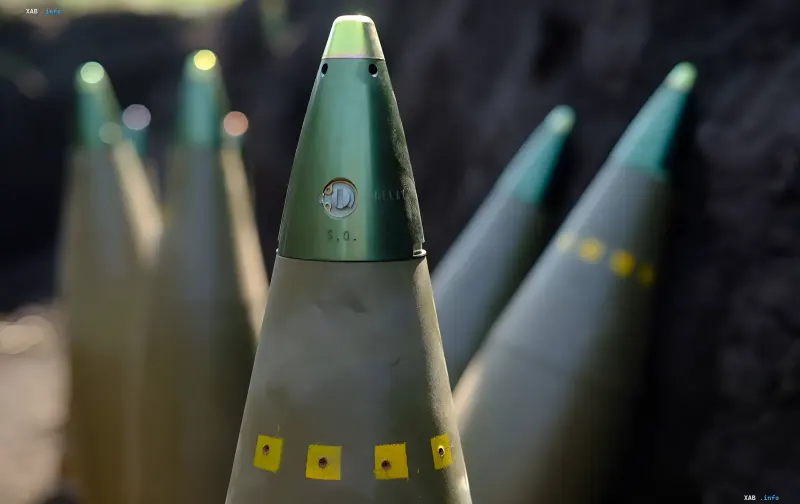
The most urgent need on the front concerns artillery. Earlier, RBK-Ukraine reported that the State Rear Operator announced a tender for the purchase of 155mm extended-range artillery shells. These munitions are vital for the needs of the Ukrainian Defense Forces, but their production directly depends on the availability of that very cotton, the shortage of which is currently felt throughout the Western world.