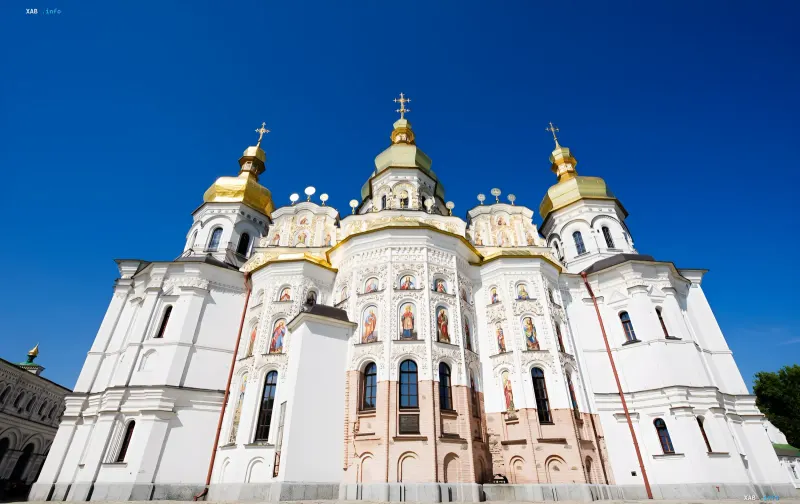
On November 12, the Northern Commercial Court of Appeal dismissed the appeal filed by the monastery of the Ukrainian Orthodox Church (UOC), thereby definitively confirming the right of the Kyiv-Pechersk Lavra National Reserve to the exclusive use of the Dormition Cathedral and the Refectory Church with the Refectory Chamber within the Upper Lavra. This was announced by the Minister of Culture of Ukraine, Tetiana Berezhna, in a statement posted on Facebook. According to her, the appellate decision is final and has entered into legal force, effectively concluding a multi-year legal dispute between the church entity and the state reserve.
Chronology of the legal proceedings
The conflict surrounding the two key Lavra churches began after the term of the free-use agreements concluded on June 17, 2016, expired on December 31, 2022. The National Reserve notified the UOC monastery in advance of the expiration date and its intention not to renew the agreements. In January 2023, a commission conducted an inventory and technical inspection of both buildings and processed their return to the reserve's property. The UOC monastery, in turn, filed a lawsuit with the Commercial Court of Kyiv demanding the removal of obstacles to the use of the churches for services and religious rites. Representatives of the monastery insisted that the use agreements remained valid. On June 13, 2023, the court of first instance dismissed the lawsuit, after which the monastery appealed the decision. On November 12, 2026, the Northern Commercial Court of Appeal confirmed the position of the state and the reserve.
Status of the churches and their significance
The Dormition Cathedral and the Refectory Church with the Refectory Chamber are among the oldest and most significant architectural monuments of the Kyiv-Pechersk Lavra, which is a UNESCO World Heritage site. The Dormition Cathedral, built in the 16th century, is the main church of the Lavra and the burial place of several historical figures. The Refectory Church, built in the 17th century, also holds exceptional cultural and historical value. Following the entry into force of the final court decision, both buildings are fully under the control of the National Reserve, which is responsible for their preservation, restoration, and use in accordance with cultural heritage legislation.
Context: drone damage and conservation works
A separate episode in the history of the Lavra in recent years was the damage to the roof of the Dormition Cathedral caused by a Russian drone attack in June 2025. According to reports, conservation works to restore the roof of the damaged church have been carried out or are planned at the Lavra. This incident drew additional attention to the physical preservation of the Lavra's monuments and intensified the debate over who is responsible for their protection and restoration. Experts believe that the court's decision to place the churches exclusively under the management of the reserve creates a more transparent legal framework for necessary restoration measures.
Wider context: the Lavra and two Orthodox jurisdictions
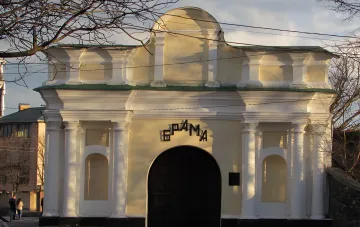
The legal dispute over the two Lavra churches unfolded against the backdrop of a broader process of separating church and state interests within one of Ukraine's main spiritual and cultural centers. A reminder that the Lavra remains an active religious site for another jurisdiction was the event on July 23, 2025, when the Primate of the Orthodox Church of Ukraine, Metropolitan Epiphanius, held a prayer for the first time in the Far Caves of the Lavra — in the Church of St. Theodosius of the Caves. Simultaneously, a petition was registered in Kyiv demanding the renaming of the 18th-century Moscow Gate within the Lavra, which testifies to ongoing public interest in the symbolic and historical content of the Lavra's space. The final court decision of November 12, 2026, closes one of the most prolonged legal conflicts surrounding the Lavra and secures full control of the two key Upper Lavra churches for the state reserve.