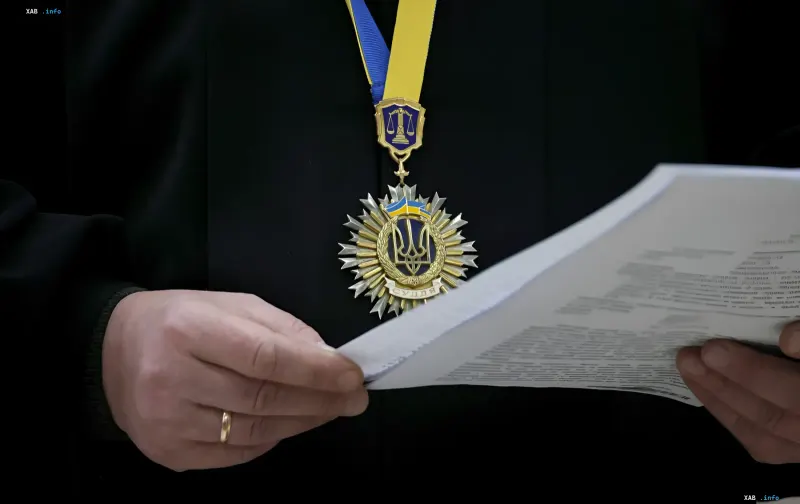
In Kropyvnytskyi, the court made a ruling on the torture case within the 425th Separate Assault Battalion 'Skala'. Two servicemen were granted a preventive measure in the form of detention for 60 days without the right to post bail. The hearing was held with the defendants' faces concealed — both prohibited showing themselves on camera.
Positions of the parties in court
Prosecutors insisted on arrest, citing the severity of the charges. The defense lawyers, however, objected to detention, proposing alternative measures. The court granted the prosecution's request.
The 28-year-old medical instructor did not admit his guilt. According to him, he became a victim of slander by people with drug addiction who are seeking revenge for something. He rejected the torture charges and asked the court to choose a measure not involving deprivation of liberty. At the same time, the man stated that he would appeal the decision — he has five days to file an appeal.
The second suspect — a 29-year-old clerk — also considers the charges unfounded. He prohibited the use of his surname and showing his face. Unlike his colleague, he does not plan to challenge the verdict, calling it 'futile'.
What happened in May 2026?
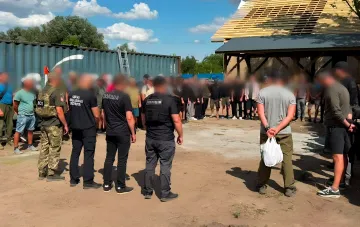
According to the SBU (State Bureau of Investigation), in May 2026, two servicemen from the medical company of the 'Skala' battalion independently 'punished' their comrades for an alleged breach of discipline. The victims were brutally beaten and locked in a utility building.
One of the victims was hospitalized with a traumatic brain injury and a fractured nasal bone. The second was held in isolation for almost a day. This became the reason for opening a criminal case.
Context of the scandal around the 'Skala' battalion
The scandal surrounding the 425th battalion erupted in late June after an investigation by the publication 'Babel', which reported on possible torture and even deaths of mobilized individuals within the unit. Following this, the SBU initiated a criminal case and began an investigation.
The court's decision in Kropyvnytskyi was the first step in the judicial process, which may reveal systemic problems within the military unit. The next steps are the appeal by one of the defendants and further investigative actions.