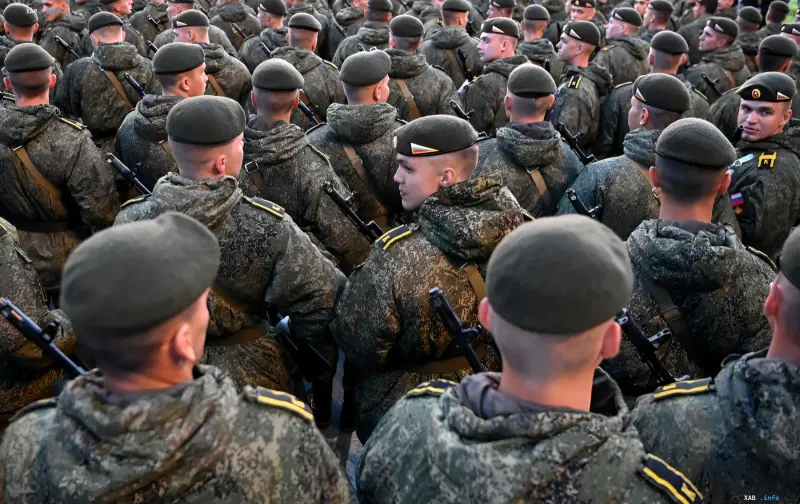
Ukrainian military intelligence reports extensive preparations for a general mobilization in Russia. According to the GUR of the Ministry of Defense of Ukraine, all the necessary infrastructure for this operation is already in place. However, as the department representative Andriy Cherniak notes, the launch of the process may be postponed until the completion of the autumn elections to the State Duma.
Infrastructure is ready, but the time has not yet come
In his statement on his Telegram channel, Andriy Cherniak emphasized that the Russian leadership is deliberately avoiding public discussions on the topic of mobilization. The main reason for such caution is cited as potential public dissatisfaction. "If the enemy leaders and propagandists indicate to the population now that there will be a mobilization, it is unknown how Russians will react to this," the intelligence representative stated.
According to Ukrainian assessments, the probability of mobilization after the elections remains high. Experts link this to the need to replenish personnel losses and strengthen frontline sectors.
Personnel shortage and "cannon fodder"
Ukrainian intelligence points to a significant shortage of personnel in the Russian army. Despite the availability of a sufficient number of training centers and ranges, Moscow needs additional human resources to continue hostilities against Ukraine.
"They simply need "cannon fodder" to go fight against Ukraine," Cherniak summarized. This confirms that mobilization is viewed as a way to quickly increase troop numbers without additional costs for contractors.
Pressure on business and regions
Authorities in Russian regions have already begun exerting pressure on entrepreneurs, demanding that they provide people to participate in the war. If business owners are not ready to meet this requirement, they are offered to pay so-called "ransom payments." Such practice indicates that Moscow is ready to use any methods to solve personnel problems.
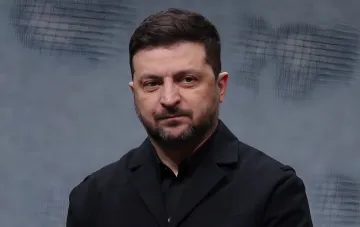
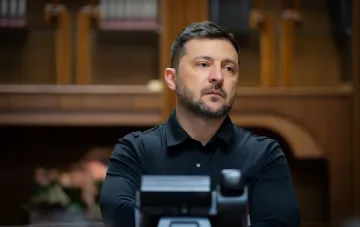
Ukrainian President Volodymyr Zelenskyy had previously warned about the possibility of a new wave of mobilization after the Duma elections. He linked this to the Kremlin's desire to avoid significant expenses on maintaining contractors.