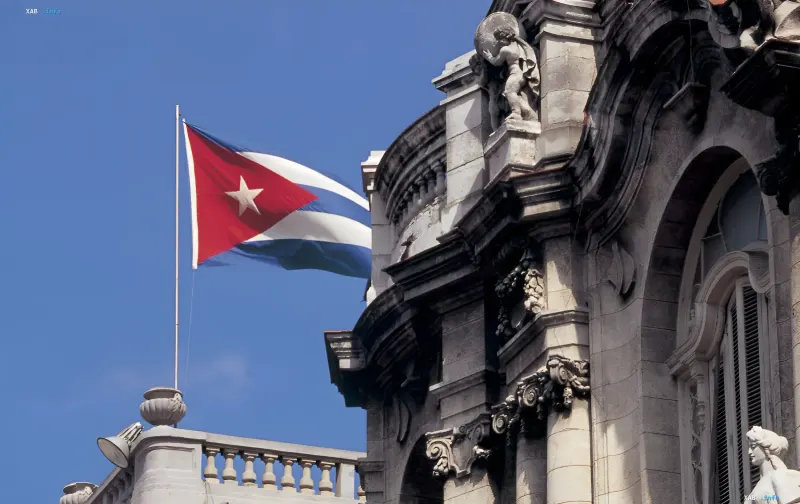
Cuba has restored centralized power supply 36 hours after a massive blackout that left the entire island without electricity. The incident, which began on Sunday evening, ended on Tuesday around 11:35 local time, according to the country's Ministry of Energy. This is already the fourth nationwide blackout in the past month.
Causes of outages: weather and lack of resources
Restoration work, which began on Monday, faced serious difficulties due to adverse weather conditions, delaying the resumption of power. However, official authorities in Havana link systemic problems in the energy sector to external pressure. The head of Cuba's Ministry of Foreign Affairs, Bruno Rodríguez, in his statement on the social network X, directly pointed to US sanctions as the main cause of the crisis.
According to the minister, the country has been under a de facto oil blockade for eight months. Restrictive measures, according to the Cuban leadership, have deprived the energy system of the necessary fuel, spare parts, and access to international specialists. Rodríguez called the situation a direct consequence of the "genocidal blockade" by Washington.
Political context and increased pressure
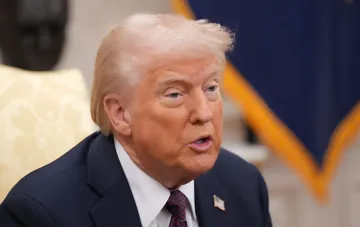
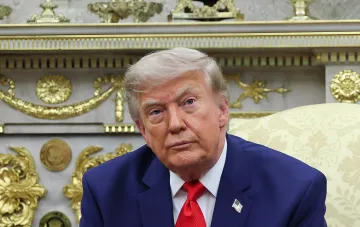
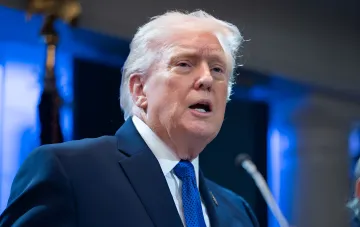
The energy collapse is occurring against the backdrop of the strengthening economic policy of the Donald Trump administration, aimed at changing the communist regime that has been in power on the island for almost 70 years. In response to external pressure, the Cuban leadership has announced a number of market reforms, but categorically rejects any discussions about changing the political system of governance.
Military aspect of the conflict
The situation around the island is also exacerbated in the military sphere. Earlier, sources reported that Cuba purchased a batch of 300 unmanned aerial vehicles, which could be deployed near US bases. Experts suggest that Russia or Iran could have been the suppliers of the drones, which adds tension to regional relations.