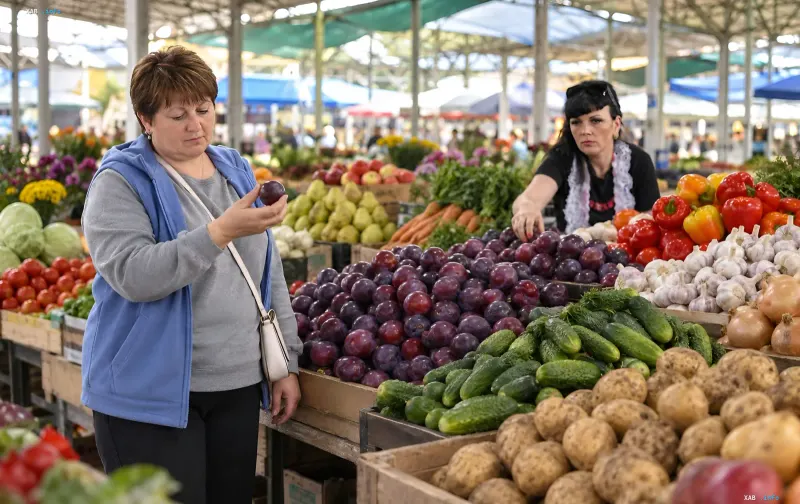
The Ukrainian consumer market continues its active seasonal price reorientation caused by changes in the supply volumes of vegetables and fruits. According to monitoring by EastFruit analysts, noticeable price fluctuations across various product categories were recorded over the past week. Some key items demonstrated confident price growth, while other vegetables, conversely, became more affordable for buyers against the backdrop of expanded sales volumes.
Dynamics of Price Growth for Vegetable Crops
The most significant price increase in the vegetable segment affected cucumbers, which jumped from 30-55 UAH to 40-60 UAH per kilogram. In addition, a moderate increase in the cost of basic borscht set items was recorded. Potatoes rose in price from 11-13 to 12-14 UAH per kg, while carrots shifted upward from 10-15 to 12-15 UAH per kilogram. Market participants attribute this dynamic to a natural reduction in the supply of certain open-ground items.
Cheaper Vegetables and Unchanged Items
At the same time, the market shows a pleasant trend toward lower prices for a number of other popular products. Bulb onions continued to get cheaper, moving into the price range of 11-15 UAH per kg instead of the previous 12-16 UAH. Sweet peppers dropped to 30-55 UAH per kg, and the maximum price of garlic decreased from 150-170 to 60-150 UAH per kilogram. The cost of white cabbage, beets, tomatoes, broccoli, and hot peppers remained stable.
Situation in the Fruit and Berry Segment
The main sensation of the fruit market was the sharp increase in the price of plums: in just one week, their cost almost doubled—from 20-40 UAH to 40-80 UAH per kg. Experts note a reduction in the supply of this item on trading platforms. Meanwhile, prices for apples, blueberries, raspberries, peaches, citrus fruits, and bananas remained at previous levels, maintaining a balance of supply and demand.
Logistics and Macroeconomic Factors
Pricing continues to be influenced by external factors as well. The destruction of logistics chains and strikes on warehouse distribution centers force retail chains to quickly rebuild routes, which can cause temporary point disruptions in assortment. The exchange rate traditionally exerts pressure on imported products, including bananas and tropical fruits, while the cost of meat and basic vegetables is formed under the influence of internal production costs and demand.