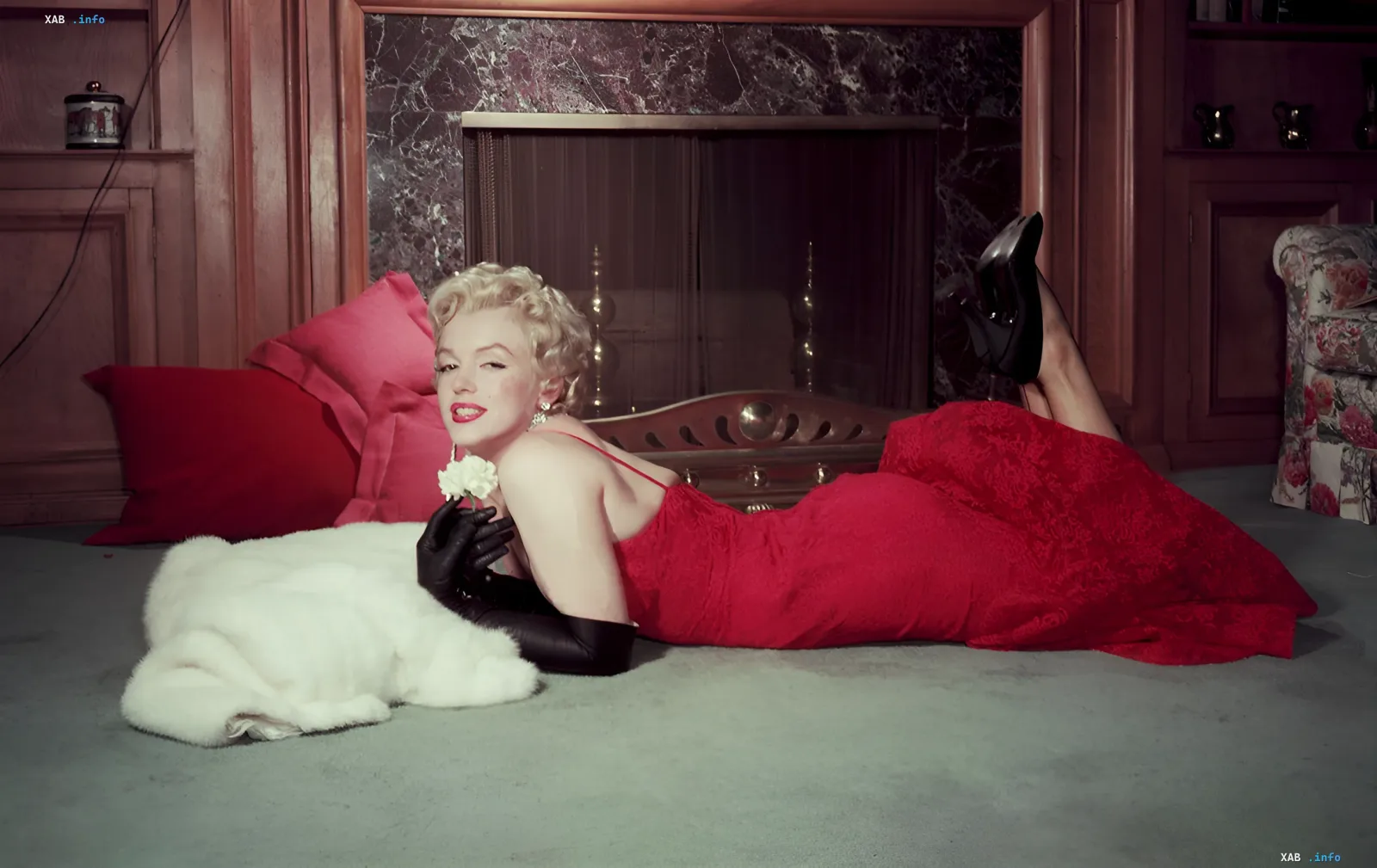
Hollywood is once again turning to the timeless image of Marilyn Monroe. This time, the legendary actress will be portrayed by Dakota Johnson in the new short film "Flesh Impact." The project is directed by Maggie Gyllenhaal, who offers viewers the chance to see two versions of the famous blonde at once — the real and the fictional.
Two Faces of One Legend
In this 17-minute film, Dakota Johnson will play Marilyn during the height of her fame — young, famous, and incredibly popular. This is not a traditional biopic, but rather the director's personal take on a style icon. Gyllenhaal admitted that she has long wanted to create a story that allows us to look at Monroe in a new way — not through the lens of biographical facts, but through artistic imagination.
The second version of Marilyn — the woman she might have become in her later years — will be portrayed by 93-year-old Ellen Burstyn. This fictional image became possible because Monroe passed away at the age of 36, leaving room for the filmmakers' imagination.
A Love Letter to a Cinema Legend
"Flesh Impact" is dedicated to the 100th anniversary of Marilyn Monroe's birth. The creators call the project a "love letter" to a legend of world cinema. Peter Sarsgaard and Sepideh Moafi will also star in the film, but Dakota Johnson is the main star — she is set to transform into Monroe during the most famous period of her life.
On Profession and Vulnerability
According to Maggie Gyllenhaal, the film will be about more than just Monroe. It will also address the topic of the acting profession — showing how this work can be simultaneously vulnerable and influential. The film will serve as a kind of investigation into how a star's image is formed, preserved, and reinterpreted by time.
Premiere at the Venice Film Festival
The premiere of "Flesh Impact" will take place in September at the Venice Film Festival. This event will be a significant moment in the global cinema calendar — especially considering that the project combines historical memory with creative freedom, offering viewers not just a recreation of an image, but a deep reinterpretation of it.