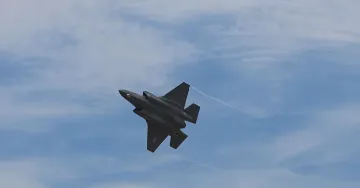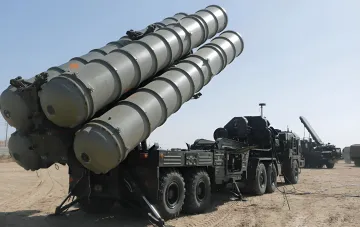
In August 2026, tensions surrounding US-Turkish relations reached a new peak. The US plan to sell advanced fifth-generation F-35 fighter jets to Turkey has remained at a standstill for over a month following its high-profile announcement. As Republican Senator Rick Scott told Semafor, the key obstacle is the fact that Turkey has still not dismantled its Russian S-400 air defense system.
Political deadlock after the NATO summit
The situation has intensified against the backdrop of recent events. Last month, at the NATO summit, US President Donald Trump, meeting with Turkish President Recep Tayyip Erdoğan, officially announced an agreement on the transfer of F-35 fighters. However, this optimistic signal was quickly overshadowed by geopolitical reality. Just a few hours later, Israeli Prime Minister Benjamin Netanyahu sharply escalated the discussion, warning that selling such aircraft to Ankara could "disrupt the balance of power in the Middle East".
Legal barrier: law versus politics
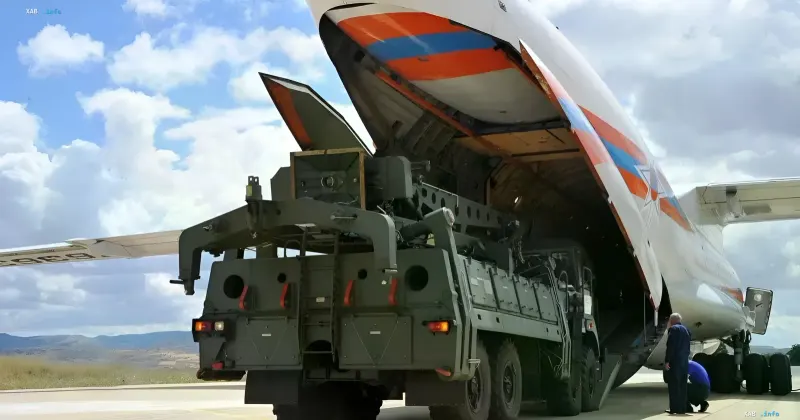
At the heart of the conflict lies strict US sanctions legislation. According to current regulations, Turkey is required to dismantle its S-400 surface-to-air missile systems to gain access to F-35 fighters. This requirement applies even to the six systems for which Turkey has already paid, but which physically remain on US territory to this day. The US State Department's Legislative Affairs Bureau, responding to a query from Congressman Wesley Bell on July 22, stated clearly: no fighters can be transferred until the country has fully complied with legislative requirements.
Contradictory data
There is a clear gap between political will and legal norms. On the one hand, the Trump administration is demonstrating a willingness to strike a deal, as confirmed by statements at the NATO summit. On the other hand, many lawmakers in the US Congress, including Senator Rick Scott, insist on literal compliance with the law. Scott emphasized: "I don't think Turkey should have F-35s if it is not a real partner... so if Turkey keeps the S-400s, it cannot have F-35s". Dismantling the S-400 system could be a compromise, but this decision risks provoking even greater resistance in Congress, where many of Trump's allies advocate for Turkey's complete abandonment of the Russian system.
Seeking a buyer and strategic reserve
In an attempt to break the deadlock, Ankara is considering alternative options. According to available data, Turkey has begun negotiations to sell the S-400 system to the United Arab Emirates. However, this process is also stalled. Furthermore, experts note that Turkey is likely seeking to retain this system in its arsenal as a strategic reserve in case of a serious threat to national security. It is expected that the F-35 deal will face serious difficulties if the US Congress votes against it, which would place Israel's interests in direct conflict with those of a NATO member.