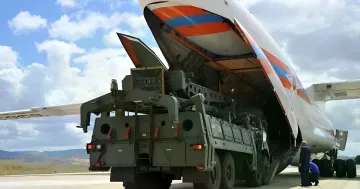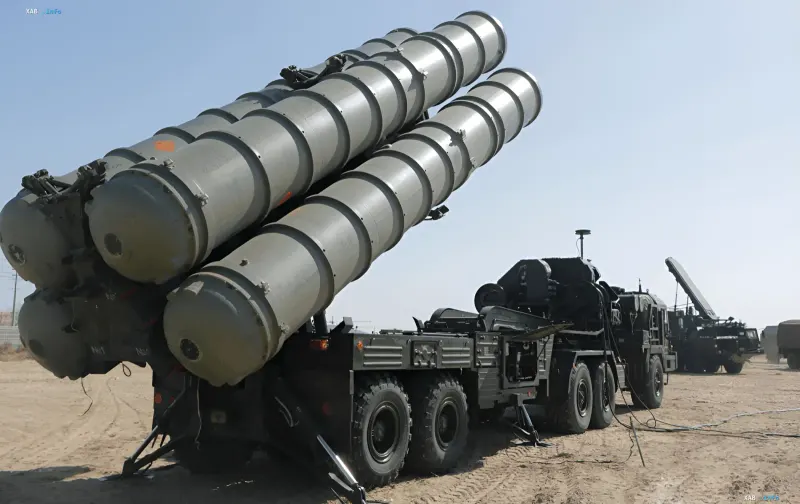
August 17, 2026. The geopolitical deadlock between Ankara and Washington regarding the supply of fifth-generation F-35 fighters has not only failed to resolve but has acquired new, complicating features. Despite ambitious statements by the administration of US President Donald Trump about a possible review of relations, the reality is that Turkey remains denied access to advanced aviation technology. The main "apple of discord" remains the Russian S-400 surface-to-air missile systems, which Ankara has been unable to either decommission or sell.
Legislative Deadlock and Senate Position
The fundamental problem remains the strict requirement of US legislation, which makes it impossible to include Turkey in the F-35 program while it possesses Russian air defense systems. As noted by the State Department, Ankara must provide guarantees of a complete abandonment of the S-400. Senator Rick Scott, in a recent comment to Semafor, clearly outlined the position of Congress: "I don't think they should have F-35s if they aren't real partners... so if they have S-400s, they can't have F-35s".
Jim Risch, Chairman of the Senate Foreign Relations Committee and a long-time opponent of rapprochement with Ankara on these terms, confirmed that the process is effectively frozen. According to him, the lack of progress in decommissioning the S-400 makes any talk of fighter deliveries premature. This creates a situation where Ankara, having already paid for six fighters, continues to remain in the status of an "undesirable partner" within the program.
Failure of Negotiations with the UAE and Risk of "Scraping" Equipment
In an attempt to find a way out of the crisis, the Turkish side initiated negotiations with the United Arab Emirates (UAE) last month regarding the possible sale of Russian systems. However, according to sources, these negotiations did not yield the expected results. The UAE, like other countries in the region, is showing caution, considering the complexity of integrating Russian systems into their defense structures and potential sanction risks.
If the sale option does not work, Turkey faces a dilemma: either disable the systems or destroy them. A US official commenting on the situation noted that "there are several ways to solve this problem, and I think the Turks want to solve it." However, destroying expensive equipment purchased from Moscow would mean colossal financial losses for Ankara and a de facto admission of the failure of its "balancing" strategy between East and West.
Russian Factor and Geopolitical Blackmail
A separate, extremely delicate aspect of the situation is Moscow's position. If Turkey decides to transfer S-400 systems to a third party, official consent from Russia will be required. This gives the Kremlin a powerful lever of influence: Moscow can block any attempt by Ankara to get rid of the equipment, thereby maintaining a lever of pressure on Turkey in its relations with NATO and the US. In the conditions of 2026, when geopolitical tension remains high, such a scenario looks quite realistic.
Contradictory Data
There is a discrepancy in assessments of the deal's prospects. On the one hand, representatives of the US administration and senators insist that the process is halted until the S-400 is completely eliminated. On the other hand, some sources in the State Department allow for the possibility of selling the systems to the UAE, but emphasize that there is no final decision on this issue. This creates uncertainty: Turkey continues to hope for a diplomatic solution, while Washington demands concrete actions that Ankara has not yet taken.