Amid global instability and the depletion of Western arsenals, Japan is radically changing its defense strategy. In early August 2026, Defense Minister Shinjiro Koizumi undertook a series of visits to Australia and India with the ambitious goal of diversifying weapons supply chains and creating a reliable security framework not solely dependent on the United States. Against the backdrop of protracted conflicts in Ukraine and the Middle East, Tokyo has realized that Washington may not be able to promptly meet the needs of its allies at a critical moment.
Export of frigates and the "Unicorn" technology
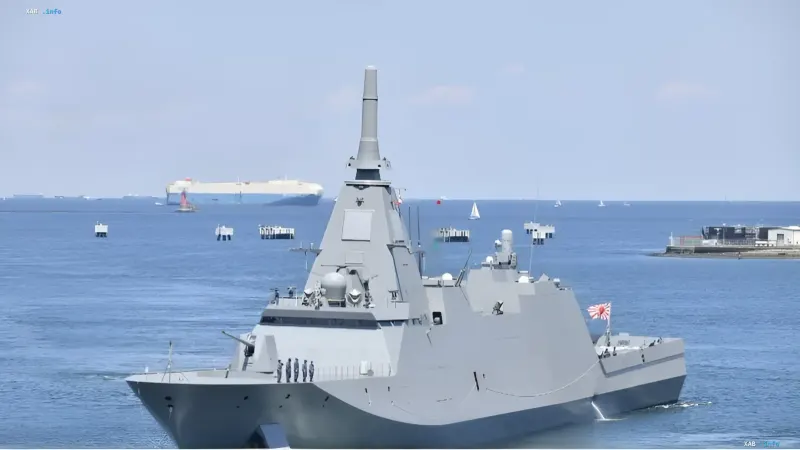
The central item on the agenda in Canberra was a trilateral meeting with the defense ministers of Australia and New Zealand. The main topic of discussion was the possible export of modernized Mogami-class frigates to New Zealand. Wellington is considering these ships as a replacement for the aging Anzac-class fleet. Experts note that such a deal makes strategic sense: New Zealand will be able to integrate its vessels into the logistical and technical infrastructure of Australia, which chose this platform last year. Meanwhile, in New Delhi, the transfer of the advanced "Unicorn" stealth communication system, developed in Japan, is being discussed. This cooperation is intended to enhance the capabilities of the Indian Navy in the Indo-Pacific region, making it less visible to enemy radars.
Strategic shift: from dependence to autonomy
Researcher Rintaro Inoue from the Tokyo Institute of Geo-economics emphasizes that Koizumi's visits mark the end of an era when Japan relied on the US as its sole security provider. "The limitations of US production capacity and long queues for weapons deliveries are forcing Tokyo to seek alternatives," Inoue stated. Modern conflicts, requiring huge amounts of consumables, have shown that even powerful arsenals can be quickly depleted. In response, Japan plans joint production of missiles, drones, and other systems with like-minded partners to ensure rapid replacement of losses in the event of a protracted conflict.
The Indian vector and F-2 fighters
Relations with India go beyond shipbuilding. Japanese media reports indicate plans to send F-2 fighters to India to participate in joint exercises. Given that New Delhi previously refused to buy American F-35s due to strict restrictions on technology transfer and a preference for domestic production, Japanese multi-role fighter-bombers could become an attractive alternative. Furthermore, the sides are discussing the joint development of unmanned aerial vehicles for the protection of military bases, which could be one of the most tangible results of Minister Koizumi's visit.
Regional response to China's challenges
Professor Yoichiro Sato from Ritsumeikan Asia-Pacific University notes that Tokyo's activation is driven by a double factor: China's assertive actions in regional waters and declining trust in the US commitment to collective defense. Japan aims to strengthen maritime capabilities with middle powers, creating a network of partners capable of acting autonomously. Exporting stealth technology for Mogami-class ships and joint exercises with India are steps towards creating a multipolar security architecture in the Asia-Pacific region, where Japan plays the role of a key technology donor.