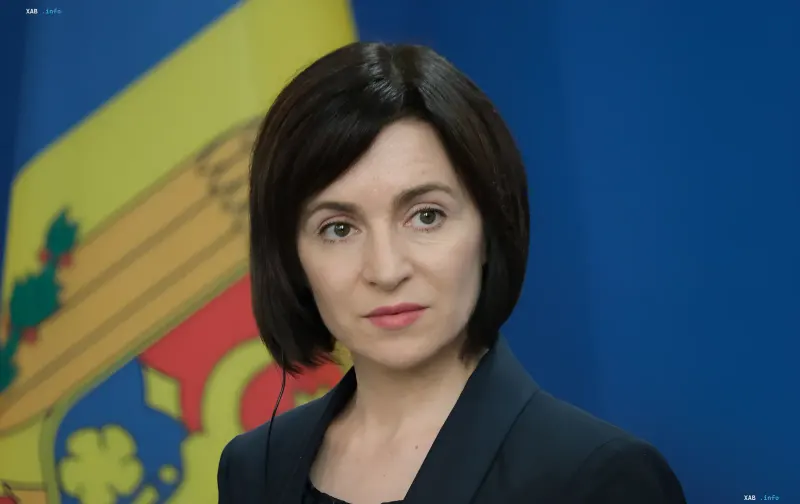
On August 17, 2026, during an official address, Moldovan President Maia Sandu clearly outlined Chisinau's position regarding the transit of Ukrainian grain through the republic. Despite growing dissatisfaction among local farmers, the head of state insists that Moldova cannot afford to isolate itself from the Ukrainian issue. According to Sandu, Moldova's economic security is directly dependent on Ukraine's ability to continue its export activities and finance its defense.
Geopolitical logic: protecting the neighbor as protecting oneself
Maia Sandu justified her position with the hard logic of survival. In her statement, she emphasized that if Ukraine cannot sell its produce, it will run out of funds for self-defense. In this case, according to the president, Moldova will face problems that will be "much more serious than today." Sandu reminded that Ukrainian farmers, despite daily missile strikes, continue to work, and their resistance is a factor protecting peace in the region, including Moldova.
"We cannot turn away from Ukrainians who are being bombed here every night," the president noted. She called for finding a balance between supporting the neighbor and protecting one's own interests, but emphasized that completely blocking transit is impossible.
Economic compromise: tariffs and volumes
On August 12, 2026, the Government of Moldova announced an agreement with Ukraine aimed at facilitating logistics. The key point of the deal was a 50% reduction in tariffs on the railway transit of Ukrainian goods. This measure came into force on August 10 and will remain in effect until December 31, 2026.
Official Chisinau expects that reducing transit costs will attract about 10% of the total volume of Ukrainian exports, which is estimated at 6 million tons for the current agricultural year. For Moldovan railways, this means an inflow of additional revenue amounting to several million euros. Sandu expressed confidence that this year Moldova has a "good agricultural year" and local farmers will be able to benefit from their produce without losing out in competition.
Contradictory data
Despite the president's optimistic statements, the situation in the market remains tense. On the one hand, the authorities promise that "good intentions" will allow finding a formula where all parties win. On the other hand, Moldovan farmers express serious concerns about dumping and falling prices in the domestic market due to the influx of Ukrainian products.
Critics of the measure point out that even with a 50% tariff reduction, Ukrainian grain may remain more competitive due to lower production costs or logistical advantages. At the same time, supporters of transit, including the presidential administration, argue that without this support, Ukraine may lose control over key routes, leading to a complete halt of exports and increased pressure on Moldova's eastern borders. For now, the government insists that the economic damage from closing transit would be disproportionately higher than the risks of competition.
International context and Moldova's role
Maia Sandu also drew attention to the fact that Moldova plays an important role in the international support of Ukraine. She noted that other states are providing financial and military assistance, and Moldova can contribute by ensuring the operation of transit routes. "It is an opportunity to help them," the president summarized, calling on not to interfere with the process of helping neighbors when they ask for support.