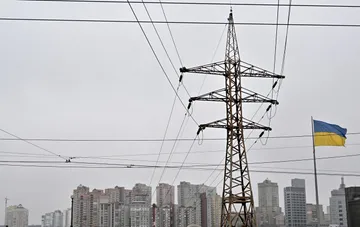
Chronic debt in the electricity balancing market has become a key barrier to attracting private investment in the construction of new generation capacities in Ukraine. The total amount of debt owed to market participants and Ukrenergo is estimated at tens of billions of hryvnias, making long-term planning and guaranteed return on investment impossible for businesses. Without a prompt resolution to this financial issue, the energy system risks running out of the necessary flexible generation required to cover deficits during critical periods.
The Scale of the Debt Crisis in the Energy Market
As of 2026, the volume of non-payments in the balancing market has reached critical proportions. According to analytical center experts, the debt of balancing market participants to Ukrenergo has exceeded 46 billion hryvnias, showing significant growth compared to previous periods. At the same time, the state operator's own debt to electricity producers has increased by 36% over the past year to 22.9 billion hryvnias. Such an imbalance destroys the financial discipline of the entire sector and deprives market participants of working capital.
Causes of Non-Payments and Municipal Enterprise Debt Burden
The main drivers of debt growth remain systematic non-payments by certain categories of consumers, including municipal enterprises. In particular, a significant volume of debt is generated by critical infrastructure enterprises in the regions that are protected from electricity cutoffs. Experts note that municipal structures in Kharkiv and other cities accumulate large debts, shifting the financial burden onto the entire energy system. In conditions where producers are forced to wait years for payment for their work, private capital loses interest in implementing new projects in the energy sector.
Impact on Investment Attractiveness and Risks to the Energy System
The policy of tariff containment and the distortion of market pricing exacerbate the situation, stretching the payback periods of modernization projects indefinitely. Investors do not receive clear price signals and are unwilling to risk funds, realizing that energy generation will not bring timely profits. New distributed generation facilities and flexible capacities are vital for stabilizing the energy system under constant loads and deficits. However, overcoming the investment crisis is impossible without eliminating accumulated debts and restoring transparent settlement rules among all market actors.
Conclusions and Prospects for Resolving the Debt Deadlock
The continued maintenance of the current debt burden in the balancing market poses a threat to the country's energy security as a whole. The expert community agrees that the state and regulators must take comprehensive measures to restructure debts and discipline non-payers among municipal and protected consumers. Only transparent and guaranteed payments for generated electricity can restore investor confidence and launch large-scale construction of new energy facilities.