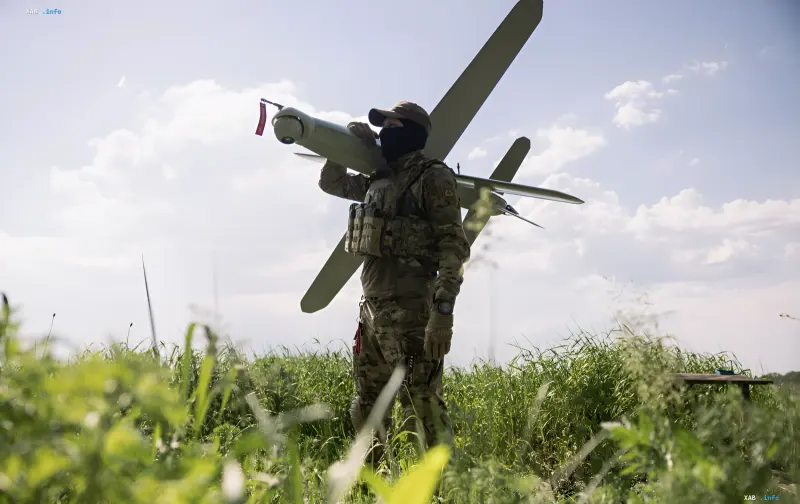
The Defense Forces of Ukraine have carried out a series of successful long-range strikes against strategic objects within the territory of the Russian Federation and the Black Sea waters. This was officially announced by Ukrainian President Volodymyr Zelenskyy, who emphasized the high efficiency and precision of the operations. Large-scale attacks targeted logistics, the fuel and energy complex, and the enemy's military infrastructure involved in supporting the full-scale armed aggression.
Geography and Key Targets Hit
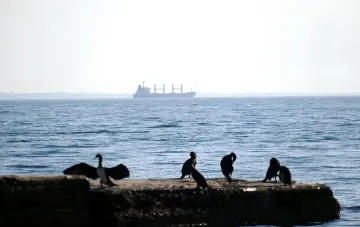
According to the Head of the Ukrainian state, several critical points were in the focus of the Defense Forces. In particular, a successful strike was delivered against a Russian vessel in the Black Sea. Simultaneously, attacks were launched against Shahed drone launch and storage sites in the Oryol region, as well as a large logistics supply depot of the occupation forces in the Bryansk region. Special attention from experts is drawn to the strike on an oil facility in the Samara region, which significantly undermines the logistics of fuel and lubricants supply for the Russian army.
Development of Technology Base and New Missiles
The President of Ukraine noted the colossal contribution of the domestic defense-industrial complex, which currently employs thousands of specialists. Thanks to their labor, Ukraine regularly replenishes its arsenal with long-range strike weapons. Previously, experts and media actively discussed the deployment of new Ukrainian long-range missiles, specifically the Flamingo systems, which, according to several sources, have already been used to hit complex military targets in the Russian Federation, including airfields hosting Kinzhal missile carriers and military-industrial complex enterprises.
Contradictory Data
While the Ukrainian leadership and military command insist on the absolute fairness and military necessity of strikes against Russian infrastructure, Western politicians assess the situation differently. In particular, former US President Donald Trump made a critical statement claiming that the global rise in diesel prices is allegedly provoked specifically by Ukrainian attacks on Russian oil refineries rather than the Middle East crisis. This position sparks fierce discussions among global economists, as the impact of refinery strikes on the global energy market is assessed ambiguously by experts.
Strategic Consequences for the Course of War
The systematic destruction of logistical hubs, radar stations (such as the Kasta radar in Mangush), and ammunition depots significantly reduces the offensive potential of the Russian army. Official Kyiv declares its intention to continue methodically depriving the aggressor of the resources necessary to wage war. Such operations demonstrate Ukraine's ability to deliver painful strikes at strategic depth, altering the balance of power and forcing Moscow to redistribute resources to protect internal territories.