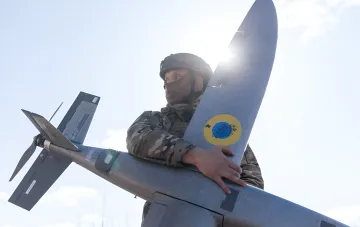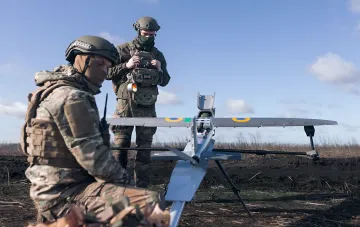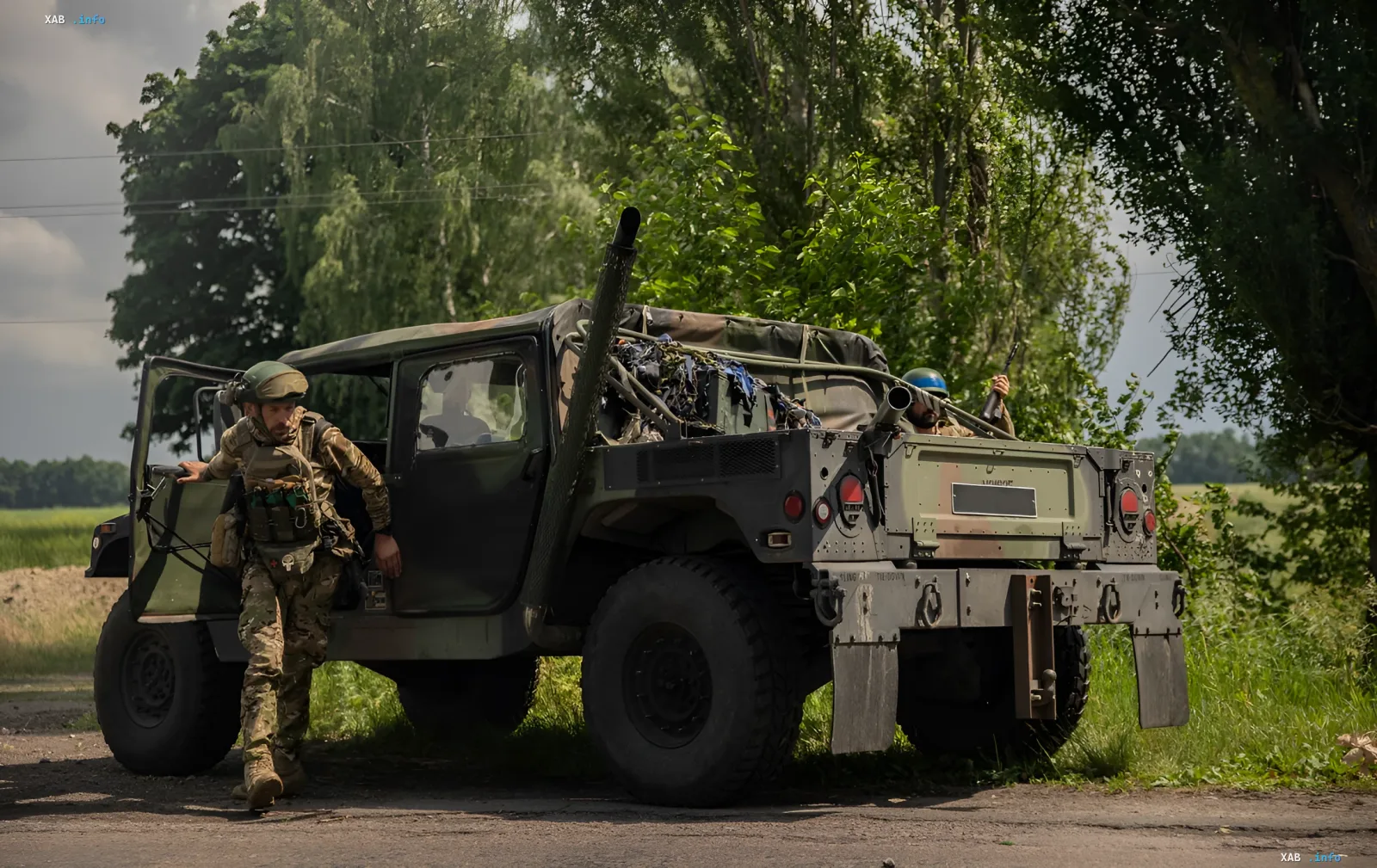
The Defense Forces of Ukraine have carried out a series of successful strikes against important military facilities of the Russian army in the temporarily occupied territories of the country. The operation, which became part of systemic pressure on the enemy's logistics and infrastructure, covered the period from October 5 to October 6, 2026. Official confirmation of the successful hits was released by the General Staff of the Armed Forces of Ukraine.
Geography and Key Targets of the Strikes
During the combat operations, Ukrainian units targeted a number of the invaders' strategic facilities. Specifically, an important telecommunications hub of the Russian troops was successfully hit in the Donetsk area, significantly disrupting coordination and communications in this frontline sector. In addition, a command post of one of the invading army's units was struck near Shchastlivtseve in the Kherson region.
Ukrainian military personnel paid special attention to destroying supply depots and concentrations of enemy manpower. Fire damage was inflicted on areas where personnel were concentrated in Sokolohirsk, Luhansk region, and Burlatske, Donetsk region. In the Luhansk region near Sievierodonetsk, an Unmanned Aerial Vehicle (UAV) depot was destroyed, and near Khrustalne, a large ammunition depot belonging to the Russian occupiers was hit.
Attack on Rear Facilities in Russia
In parallel with operations in the occupied territories, powerful drone strikes were recorded in the enemy's rear on the night of October 6, 2026. The Moscow region came under drone attack, where, according to preliminary data, the target may have been the Moscow Oil Refinery in Kapotnya. This enterprise plays a critical role in the aggressor's economy, supplying about 40% of the fuel market in the Russian capital.
Contradictory Data
While the General Staff of the Armed Forces of Ukraine and specialized Ukrainian media report large-scale and successful strikes on military facilities and critical infrastructure in the Moscow region, official Russian agencies and regional public channels traditionally report the successful operation of air defense systems. According to Russian media citing security structures, UAV attacks are allegedly repelled on the approaches to key facilities, and damage is minimized.
Socio-Political Context
Amid ongoing active combat operations and mutual strikes, sociological services are recording a stable level of resilience in Ukrainian society. According to recent results from a large-scale poll by the Kiev International Institute of Sociology (KMIS), 62% of Ukrainian citizens currently express readiness to endure the hardships of war for as long as necessary to achieve victory, with this figure remaining unchanged since the end of summer.