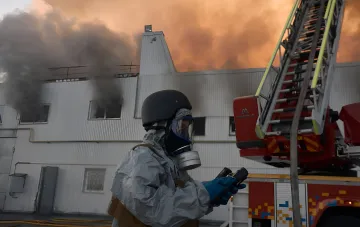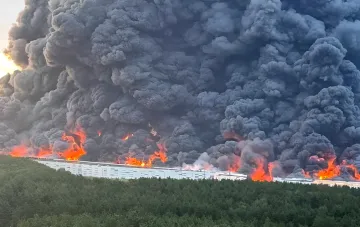
Since the beginning of 2026, Russian forces have launched 62 strikes against Ukrainian food processing plants, warehouses, and logistics centers, which is nearly twice the total for all previous years of the full-scale war. This was reported by the Ministry of Defense of Ukraine, emphasizing the systematic nature of attacks on the agro-industrial complex and civilian infrastructure.
Scale of Destruction and Damaged Enterprises
The ministry cites data on the largest incidents, highlighting the repeated shelling of the 'Oleyna' plant in Dnipro. In addition, targeted strikes completely destroyed the production facilities of the 'Korolivsky Vysk' company in Kirovohrad region. Significant damage was also inflicted on storage tanks containing 8,500 tons of oil at a Kernel facility, causing substantial harm to export potential and food supply chains.
Impact on Energy and Water Infrastructure
In addition to direct hits on production workshops and warehouses, Russian shelling has systematically damaged energy and water infrastructure. The lack of stable electricity and water supplies makes normal operations impossible for surviving food industry enterprises. The Ministry of Defense classifies these actions as part of a deliberate terror policy against the civilian population aimed at creating artificial food shortages.
International Legal Context and Intelligence Warning
Earlier, sources in Ukraine's Main Directorate of Intelligence warned about preparations for large-scale strikes on food industry targets. Notably, in early November, Odesa came under heavy shelling when a missile hit a major grocery warehouse, causing a massive fire and claiming a life. The Ukrainian defense agency recalled that attacks on civilian objects and attempts to use starvation as a method of warfare are strictly prohibited by international humanitarian law.
Consequences for Food Security
Regular attacks on agro-industrial logistics and processing facilities pose severe risks to both Ukraine's domestic market and global food security, as the country remains a key exporter of agricultural products to the global market. Enhancing the protection of critical infrastructure and food industry assets has become a primary task for the state amid ongoing aerial terror from Russia.