The US Democratic Party has secured at least 258 seats in the House of Representatives, marking its best performance in a general election since 1992, RBC-Ukraine reports citing the Associated Press. Democrats crossed the 258-mandate threshold on Sunday, November 22, when candidate Chuck Hubbard defeated incumbent Republican congresswoman Virginia Foxx in North Carolina. Thus, the party of Biden and Obama has not only maintained but expanded its presence in the lower chamber, surpassing both the 2008 results (257 seats) and the 1992 outcome (258 seats) when Bill Clinton was first elected president.
Voting Results: What Remains Undecided
At the time of publication, the outcomes of four races remained unknown: one district each in Minnesota and Tennessee, as well as two districts in Louisiana, where a run-off election is scheduled for December. This means the final number of Democratic mandates could rise slightly. The Republican Party, in turn, has secured at least 173 seats in the House of Representatives. According to AP, Democrats flipped 44 seats from Republicans during the campaign—four more than in 2018 during Donald Trump's first term. However, the party has not yet reached the historical record of the Franklin Roosevelt era, when Democrats held over 300 mandates.
Geography of Victories and Reasons for Voting
Democrats achieved victories in traditionally Republican states, the Midwest, and the East Coast, demonstrating a broad geographical reach of their electoral support. According to the Associated Press, voters expressed dissatisfaction with the policies of incumbent President Donald Trump, linking their choices to high prices for goods and services, the prosecution of the war with Iran, and cases of corruption within the administration's inner circle. AP assessed these factors as key drivers of voter behavior in the 2026 midterm elections.
The Senate and Campaign Context
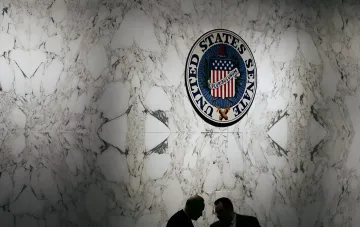
Recall that as early as November 3, Democrats flipped six Senate seats from Republicans, including traditionally "red" states such as Texas, Kansas, and South Carolina, where the party had not won in decades. The combined result in both chambers forms a new configuration of Congress, giving Democrats significant influence over the legislative process. The European Parliament viewed the Democrats' midterm victory as a positive signal for Ukraine, though it emphasized that this does not guarantee rapid changes in Washington's policy regarding the Ukrainian track.
Trump's Reaction and Prospects for Interaction
Following his party's defeat in the House races, Donald Trump threatened to veto legislation initiated by Democrats. At the same time, he publicly acknowledged the election results and promised to work with the new configuration of Congress. This dual stance—a combination of harsh threats and formal recognition of the outcomes—sets the tone for future interactions between the executive and legislative branches in the US for the remainder of the presidential term.