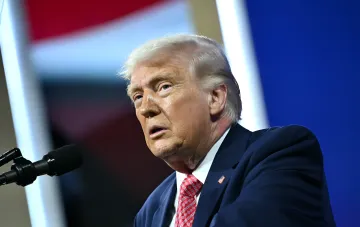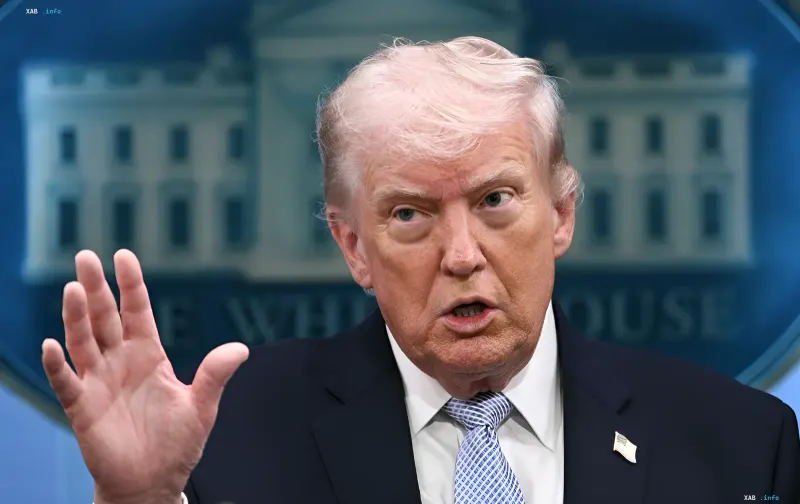
During a public speech, US President Donald Trump commented on the outcome of the midterm congressional elections and attempted to explain the reasons behind the Republicans' electoral defeat. The head of the White House directly linked the rise in domestic gasoline prices to the ongoing military campaign in the Middle East, stating that this fuel inflation prevented American voters from fully appreciating the economic achievements of his presidency. At the same time, Trump congratulated the Democratic Party on a "good job," noting that Democrats had secured control of both chambers of Congress and several governorships.
High Gas Prices Blamed on Iran
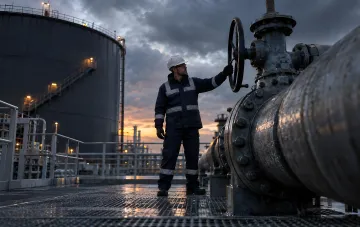
Explaining voter dissatisfaction, Trump claimed that the US economy remains "the most powerful" and that performance during his first term was "the best." However, according to him, gasoline prices specifically "overshadowed" these positive economic gains for citizens. "And the problem with gasoline was caused by Iran," the president stressed, publicly acknowledging for the first time that the Middle East military operation had a direct impact on domestic fuel costs. While Trump has consistently defended the military campaign as necessary to prevent the Islamic Republic from acquiring nuclear weapons, this speech marked the first time he so explicitly cited the link between combat operations and consumer prices.
Congratulating Democrats and the Scale of the Republican Defeat
The election results proved disastrous for the Republican Party: Republicans lost not only in traditionally competitive regions but also in states previously considered their safe strongholds. Democrats, by contrast, captured control of the House of Representatives and the Senate, while also winning several gubernatorial races. Without concealing the outcome, Trump congratulated his opponents on a "good job," an unusual gesture for a sitting president whose party lost its legislative majority.
"No Matter How Good a President Is, You Still Lose"
Despite his party's massive defeat, Trump declined to take personal responsibility for the outcome. He asserted that even a successful president cannot guarantee victory at the polls, delivering the defining line of his speech: "No matter how good a president is, you still lose." Thus, the head of the White House shifted the blame for the electoral failure onto external factors—primarily fuel prices—rather than his own policies or the party apparatus.
Readiness to Cooperate and Reminder of the Veto
Despite the shift in the balance of power in Congress, Trump expressed readiness to cooperate with the House and Senate, provided that Democrats are similarly interested in working together. At the same time, he made it clear that he does not intend to back down on issues where he disagrees, reminding the audience of the constitutional veto power that allows the executive branch to block legislation passed by Congress. This statement effectively outlines the framework for future interactions between the executive and legislative branches for the remainder of his presidential term.
Context: What This Means for US Politics
The Republicans' loss of control over both chambers of Congress means that for the remainder of his term, Trump will have to govern in the face of an opposition legislative majority. The combination of publicly acknowledging the impact of the Iran war on domestic economic indicators while simultaneously defending the military campaign creates a complex rhetorical posture: the president justifies the necessity of the operation while admitting its negative fallout for voters. For Democrats who have captured control of Congress, this opens avenues for legislative pressure, including on the budget and military spending, though the veto power remains a significant check on forced legislation.