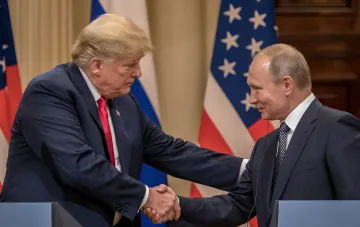
The Russian Federation has announced the early lifting of current restrictions on diesel fuel exports. This decision was made following agreements reached between the top leadership of Russia and the United States. According to Russian Deputy Prime Minister Alexander Novak, additional volumes of petroleum products could reach the US market as early as October of this year, despite previously imposed sanctions barriers and the consequences of domestic energy issues.
Background and Details of the Agreements
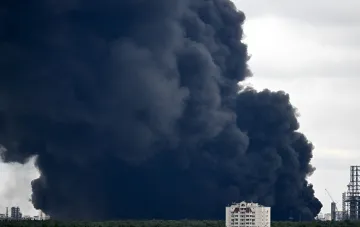
It is worth noting that Russia was previously forced to impose a strict ban on diesel fuel exports due to severe damage inflicted on domestic oil refineries by Ukrainian drone attacks. The situation on the domestic market remained tense, and Western experts predicted a further increase in shortages. However, the agreements between Donald Trump and Vladimir Putin, which became known on the evening of October 9, 2026, fundamentally changed the balance of power. Under the reached agreements, Moscow has committed to supplying over 300,000 tons of fuel to the global and American markets immediately, another 500,000 tons in November, and up to one million tons in subsequent periods. In exchange, the US Treasury Department is issuing a temporary license that effectively suspends part of the sanctions restrictions on Russian energy resources.
Contradictory Data
A serious political debate has unfolded around this deal, exposing deep contradictions between the positions of Washington, Kyiv, and Moscow. Officials in Washington and Moscow welcome the decision, calling it an important step toward stabilizing the global energy market and restoring normal trade. At the same time, Ukrainian President Volodymyr Zelenskyy sharply criticized Washington's actions, stating that such an agreement essentially sponsors the Kremlin's military operations through additional revenues from oil sales, and that the Ukrainian negotiating delegation in Florida is merely being used as a diplomatic screen to justify backroom deals.
Market Impact and Prospects
According to assurances from Russian authorities, despite large-scale export supplies abroad, the domestic market of the Russian Federation will remain fully supplied with the necessary volumes of fuel. The situation is expected to improve by November and December when repair work at damaged refineries is completed, allowing for an increase in total production volumes. Nevertheless, the expert community continues to assess the risks of a new round of fuel price hikes and the potential political consequences of easing the sanctions regime for the US administration, which had previously repeatedly blamed Ukrainian attacks for rising gasoline prices.