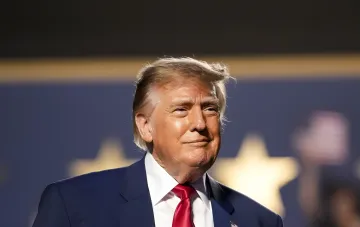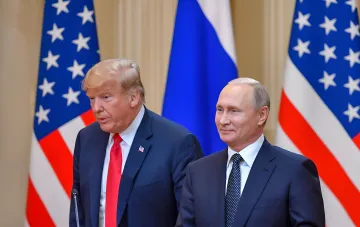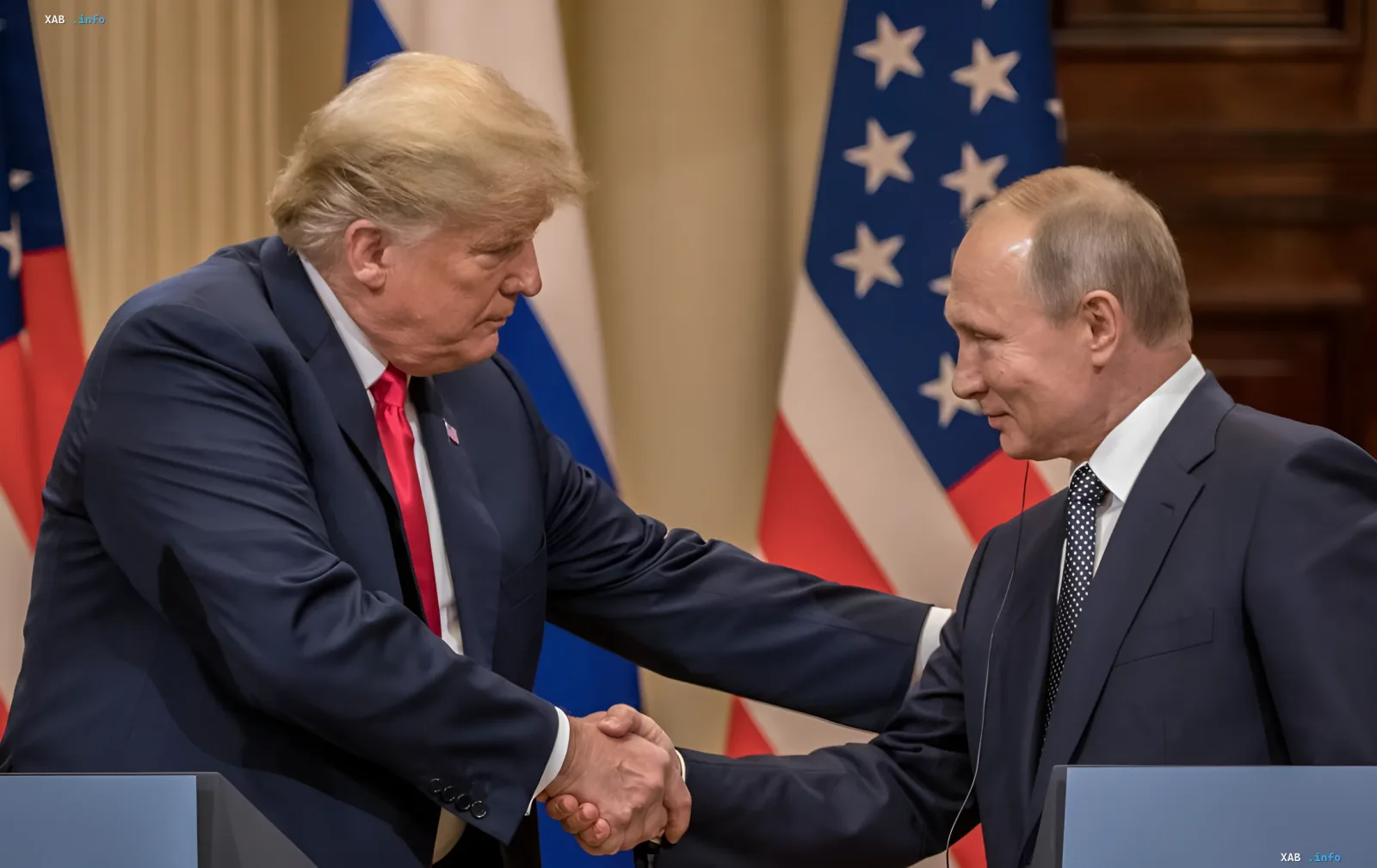
The United States and the Russian Federation have reached unexpected agreements regarding energy supplies to the global market. US President Donald Trump officially announced successful negotiations with the Russian leadership, resulting in Washington partially easing sanctions pressure to stabilize fuel supplies.
Details of the Agreement and Delivery Schedule
According to the US leader, Russia will immediately supply more than 300,000 tons of diesel fuel to the American and global markets. The sides are not stopping there: another 500,000 tons are scheduled for shipment throughout November, and immediately after that, the supply volume is expected to increase to 1,000,000 tons. Furthermore, taking into account the current state of refinery infrastructure, an additional delivery of 3,000,000 tons of fuel is expected in the short term.
US Treasury Steps and Market Reaction
To practically implement these agreements, the Office of Foreign Assets Control (OFAC), part of the US Department of the Treasury, received direct instructions to issue a temporary general license. This document lifts existing restrictions on specific transactions, allowing Russian diesel to flow freely onto the international arena. Against the backdrop of this news, Russian stock and commodity markets showed rapid growth.
Contradictory Data
Despite official statements from the US administration about the temporary lifting of restrictions for the sake of price stabilization, the expert community points out significant contradictions with previously enacted sanctions policies against key Russian energy giants such as Rosneft and Lukoil. Critics note a sharp reversal in White House policy, while supporters of the deal emphasize the priority of macroeconomic stability and containing fuel prices within the US.