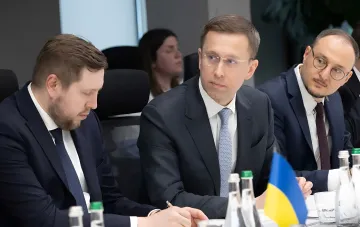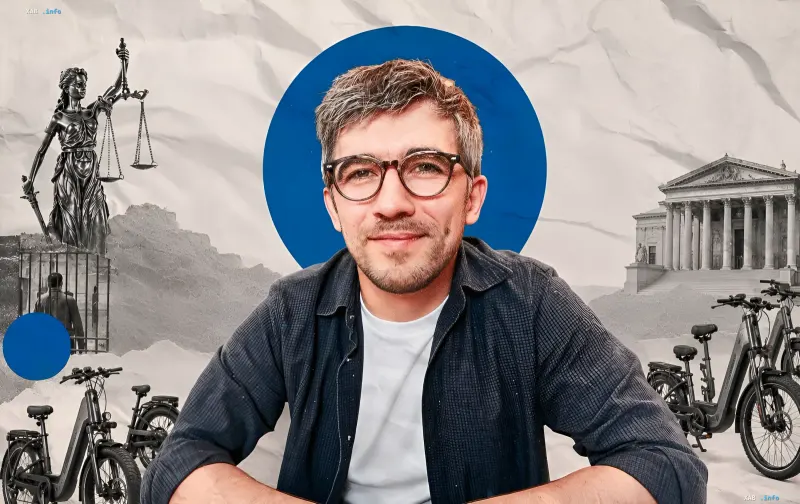
In mid-August 2026, the Ukrainian business community was shocked by news of the arrest in Poland of one of the key figures in the entrepreneurial sphere — Dmitry Karchuk, director of the major business club CEO Club Ukraine. The incident, which began with an arrest at the border, escalated into a complex international legal process involving extradition, identity verification, and trust in business leaders.
International Warrant: 171 E-Bikes and €127,000
According to the German investigation, Dmitry Karchuk is suspected of committing a large-scale theft. According to case materials, the perpetrator impersonated a representative of a logistics company and personally transported 171 electric bicycles out of a warehouse in Germany by truck. The total value of the stolen goods is estimated at nearly €127,000. It was based on this warrant, issued by German law enforcement, that Polish border guards detained the entrepreneur on July 28, 2026. The Polish court, reviewing the petition, imposed a pre-trial detention measure of 60 days on Karchuk.
Alibi and Medical Documents: Defense Insists on Innocence
The defense categorically rejects the charges and asserts that Dmitry Karchuk has no connection to the alleged events. Lawyers, in particular Arzinger partner Kateryna Gupalo, state that during the time of the crime, the businessman was in Ukraine. As evidence, the defense cites testimonies from numerous witnesses who personally saw Karchuk in the country on the dates indicated in the European Arrest Warrant. Furthermore, the defense refers to medical documents: in early September, Dmitry underwent surgery and was undergoing rehabilitation, moving with crutches, which physically excluded the possibility of committing the crime in Germany.
Procedural Steps and Position of the MFA of Ukraine
In response to the arrest, lawyers filed an appeal against the decision on temporary detention on August 5. The defense plans to petition for a change in the pre-trial measure, considering options for release on bail or personal guarantees. Parallel to the Polish proceedings, German lawyers are working to challenge the arrest warrant itself, intending to prove mistaken identity or illegal use of personal data. The Ministry of Foreign Affairs of Ukraine has also taken control of the situation; a consul visited the detainee, and the Ukrainian side is awaiting official confirmation from the border guard service regarding the absence of facts of Karchuk crossing the border during the specified period.
Contradictory Data
There are significant contradictions in the case between the prosecution's version and the defense's. The German investigation asserts that the crime was committed by Dmitry Karchuk himself, relying on documents presented during the export of goods. However, the defense points to the lack of opportunity for Karchuk to be in Germany at the time of the incident, citing passport stamps and medical certificates. It is currently unclear whether forged documents fully imitating the entrepreneur's identity were used, or if there were identification errors on the part of law enforcement agencies. Resolving this contradiction will be key to the further development of the case.