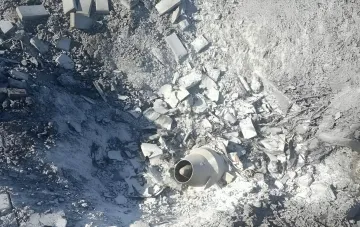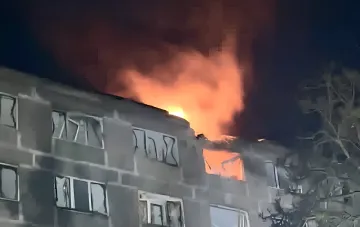
On October 29, Dnipro once again became the target of a Russian attack, which dealt a double blow to the city in a single day — targeting both people and energy infrastructure. According to preliminary data, the evening strike left more than 350,000 subscribers in the city and surrounding settlements without electricity. This was stated by the head of the Dnipropetrovsk Oblast Military Administration, Oleksandr Hanzha, as reported by RBC-Ukraine. For Dnipro, this day became one of the heaviest: earlier in the day, around 11 a.m., a Russian jet drone hit the platform of the railway station where passenger train No. 866 on the Dnipro — Zaporizhzhia route was standing at the moment of the impact.
Strike on the station platform
An increased danger level had been declared before the attack, yet many people remained on the platform at the moment of the strike. According to available data, at least 14 people were killed, and the same number were wounded. The exact number of victims and fatalities was being verified at the time of publication, with rescue and medical services working at the scene. The strike on the platform with the passenger train on it became the most resonant episode of the day and confirmed that Russian attacks continue to target everyday civilian life, including railway infrastructure.
Mass power outage
In the evening, following the new strike, lights went out in a significant part of Dnipro, and water in some districts as well. Footage shared by local residents shows entire neighborhoods plunging into darkness within seconds after a powerful flash. According to preliminary data, the blackout affected more than 350,000 subscribers in the city and neighboring settlements. Energy workers have already begun restoring electricity supply, but the regional military administration did not specify exact timeframes for the return of power, citing the dependence of the work on the scale of damage and on-site conditions.
Water supply on backup power
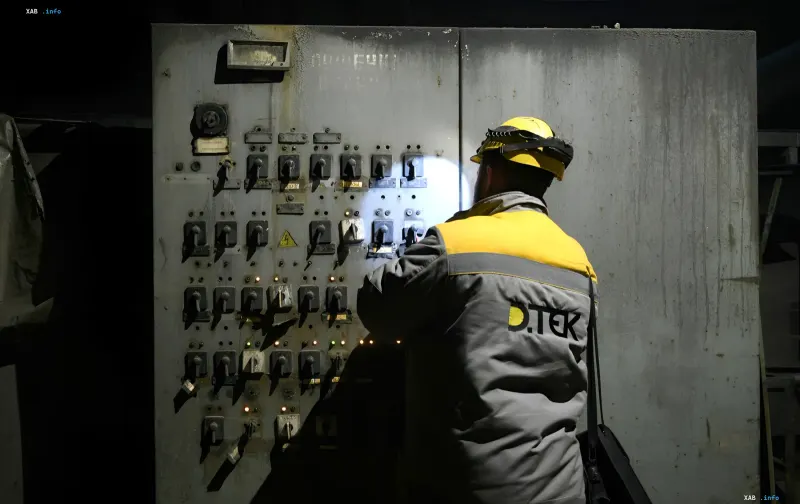
To prevent the city from running out of water amid the loss of the main power supply, water supply and drainage pumping stations were switched to backup power from generators. This is a standard measure that allows critical utility systems to keep operating when the centralized grid is de-energized. Switching to backup means that water supply is maintained, but it operates under increased load on backup sources, requiring monitoring by municipal services throughout the entire period of restoring the main grid.
Series of strikes on other cities
On October 29, Russia launched a series of strikes against civilian targets not only in Dnipro, but also in Chernihiv, Kremenchuk, and Zaporizhzhia. Among the dead as a result of these attacks are children, which underscores the nature of the strikes on populated areas. The combination of the daytime strike on the station and the evening destruction of energy infrastructure shows that in a single day the city suffered multiple waves of attacks, each hitting different elements of vital support — from transport to electricity and water.
Restoration and further actions
At the time of publication, energy workers were carrying out operations to restore power supply, and municipal services maintained water supply using backup generators. The OVA did not name official timelines for the full restoration of electricity. For residents of blacked-out areas, the key issue remains the duration of the outage and the provision of backup power to socially significant facilities. The situation remains dynamic, and as data from the regional military administration and energy workers arrive, the volume of restored power supply and the number of casualties may be updated.