On Thursday, October 29, Russian forces launched a strike on Dnipro, resulting in a power outage across the city. According to available reports, after a series of explosions, electricity disappeared in a significant part of the city, and in some districts, water supply was also cut off along with the power.
Instant Blackout: What the Videos Show
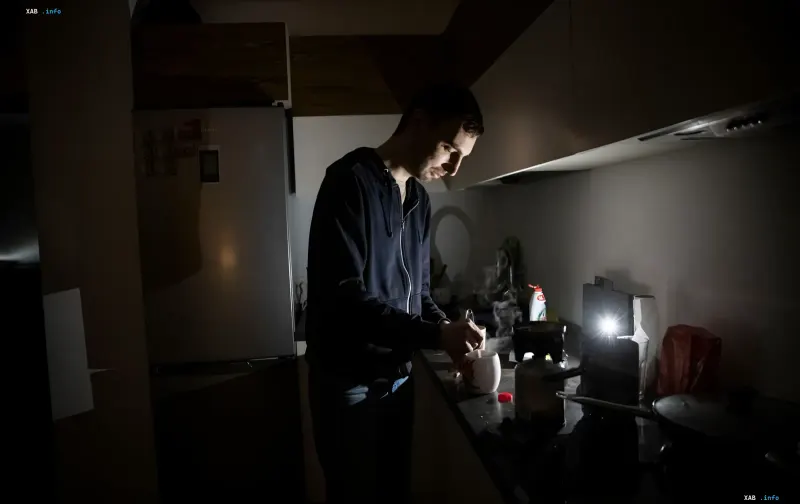
Footage published online captures a scenario typical of such attacks: following a powerful flash, street and home lighting in city neighborhoods goes out in literally a second. Such footage vividly demonstrates how quickly the consequences of a strike on energy infrastructure envelop entire districts. For residents, this means not just a temporary inconvenience, but the simultaneous loss of electricity and, in several places, water—the basic conditions for normal life amidst ongoing attacks.
Context: Sixth Day Without Power in Konotop
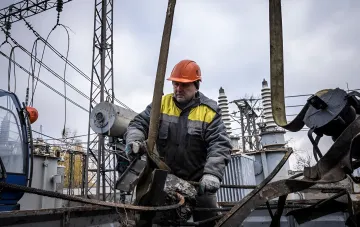
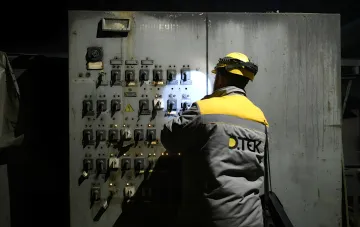
The situation in Dnipro fits into a broader context of pressure on Ukraine's energy system. On the same day, residents of Konotop in the Sumy region had their electricity restored—this happened on the sixth day after power supply disruptions caused by enemy attacks on energy facilities. The fact of restoring power supply in one city against the background of a new blackout in another clearly shows how attacks move across the country and overload energy workers, who simultaneously have to repair damaged facilities and restore supply.
Hourly Outages: What to Expect on October 30
Against the backdrop of the consequences of massive Russian strikes on energy facilities, schedules for hourly power outages are already in effect in parts of Ukraine. It is reported that on Friday, October 30, restrictions will continue to apply in a number of regions at a volume of 2.5 queues. This means that even where a critical accident has not occurred, consumers will face planned but regular outages to distribute the load on the damaged network and avoid cascading failures.
Energy as a Target: The Systemic Nature of Attacks
The combination of events—the instant blackout in Dnipro, multi-day disruptions in Konotop, and hourly outages in several regions—points to the systemic nature of strikes on energy infrastructure. Each such attack not only deprives people of light and water in the moment, but also creates deferred stress on the grid: damaged lines and substations reduce the overall stability of the system, causing even local incidents to escalate into regional restrictions. That is why recovery after each strike takes days, and outage schedules become a tool for load management during the transition period.