Favorite perfume compositions can change their familiar scent over time, lose their previous intensity, or even darken in the bottle. One of the main reasons for such unpleasant changes is often improper storage, in particular the harmful effects of heat, sunlight, and regular temperature fluctuations. Experts of specialized publications remind owners of perfumes about the basic rules of caring for their favorite fragrances.
The Main Enemy of Perfume: Why the Bathroom is Disastrous for Scents
Many people habitually leave glass bottles of toilet water right on the shelves in the bathroom, as it seems most practical for daily use after a shower. However, professional experts and technologists call this room one of the worst places for storing perfumes. According to Good Housekeeping beauty lab director Sabina Wizemann, the bathroom is characterized by constant temperature instability, high humidity, and frequent lighting fluctuations.
Hot steam generated during water procedures, heat from modern lighting fixtures, and general dampness directly affect the complex chemical composition of the perfume. Under the aggressive action of heat and ultraviolet light, delicate aromatic components gradually break down, and volatile alcohol compounds evaporate much faster. As a result, even an expensive closed bottle can completely lose its original pyramid or acquire a sharp rancid shade.
Optimal Conditions and Rules for Safe Storage
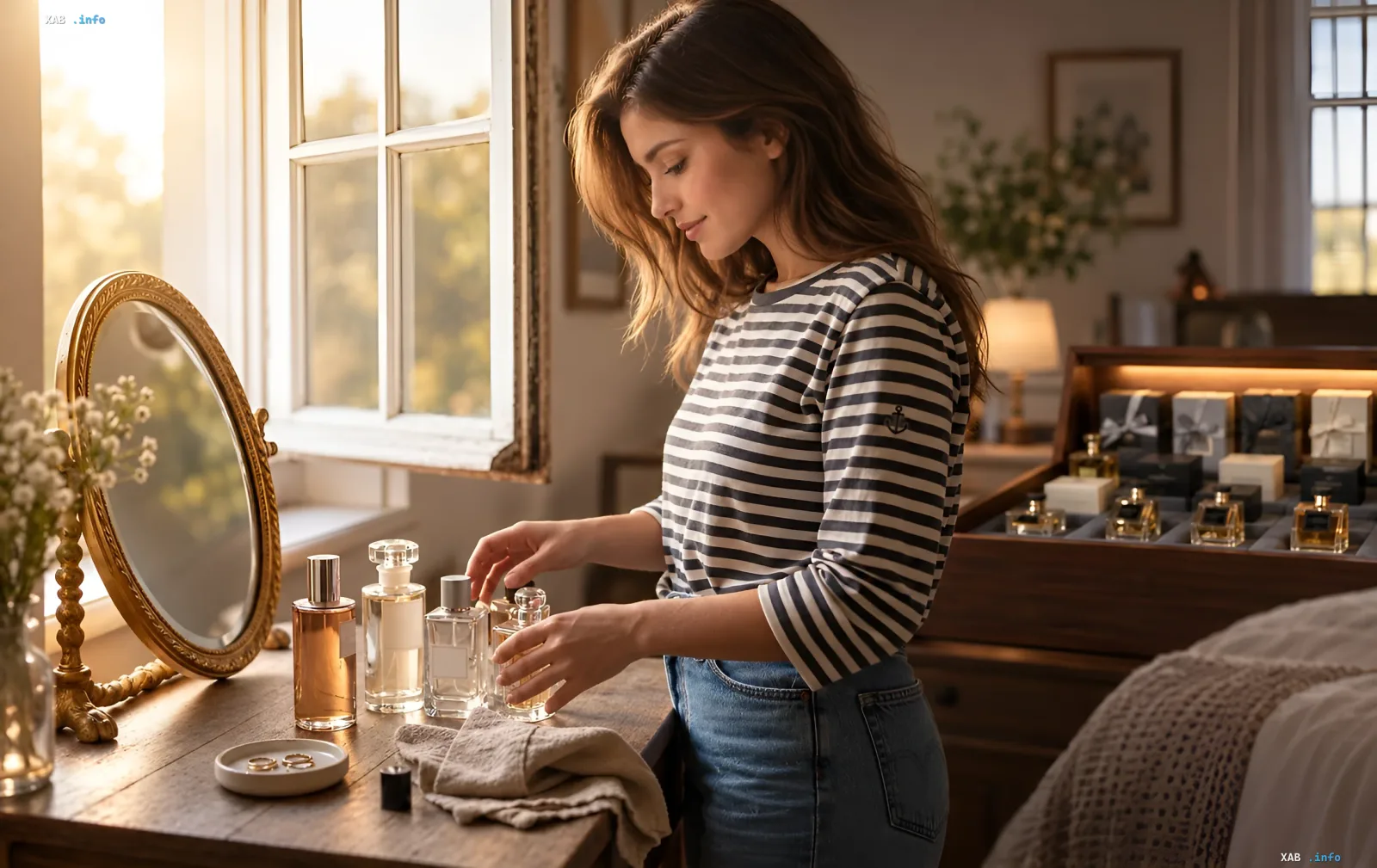
Considering all the risks, specialists strongly recommend moving your perfume collections to more suitable rooms. An ideal choice would be a cool, dark, and dry place, such as a bedroom, wardrobe closet, or closed chest of drawers, where temperature and humidity remain stable throughout the year. It is worth remembering that open bottles with proper handling can retain their original properties for about three years, but fresh citrus notes deteriorate much faster than woody and musky ones.
Contradictory Data
Among experts and perfume lovers, discussions are still ongoing about how critical the short-term impact of moisture on hermetically sealed bottles really is. Some specialists claim that a tightly fitted cap or a quality atomizer completely protects the internal liquid from evaporation and dampness, so short morning bathroom routines cannot cause significant harm. At the same time, laboratory tests confirm that systematic air heating in the room inevitably leads to thermal expansion of the liquid inside the glass, which eventually disrupts the microclimate and accelerates the degradation of aromatic oils.