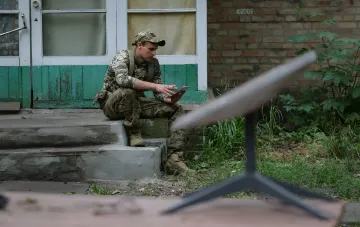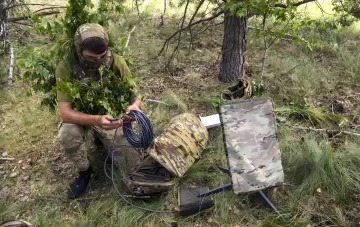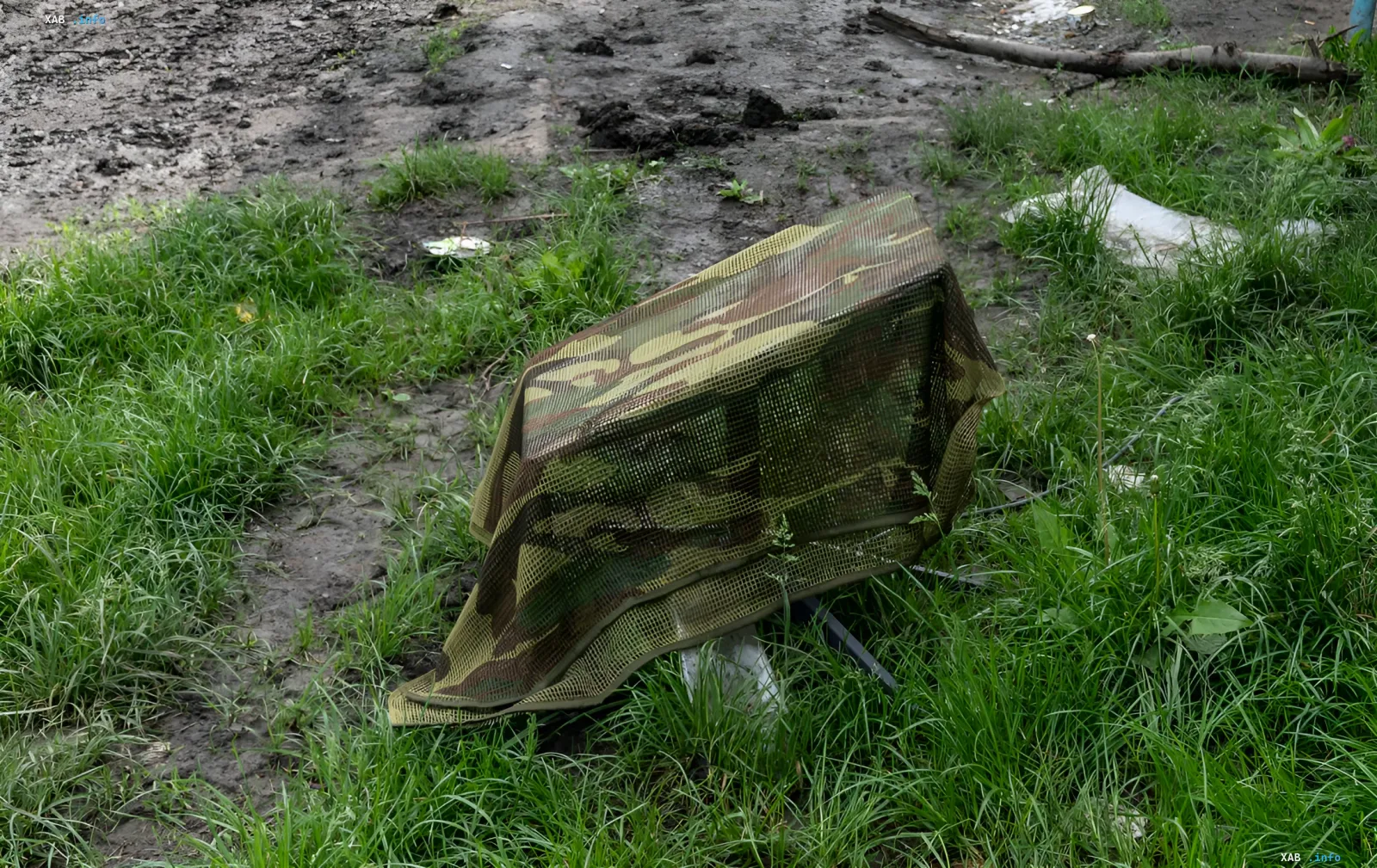
The situation regarding the stability of satellite communications in Ukraine has attracted widespread attention after users experienced terminal disruptions. Mykola Kalinichenko, CEO of Adaptis, the Starlink supplier company in Ukraine, officially commented on the issues raised and reassured the civil sector. According to him, all recent nighttime restrictions apply exclusively to the specialized military service Starshield, which is used by Ukraine's Defense Forces to carry out frontline tasks.
Separation of civil Starlink and military Starshield
The expert explained the key difference between the two configurations of the satellite network. Regular consumer Starlink terminals operate normally without any changes or new restrictions from SpaceX. If the device is installed in a residential building, at a commercial enterprise, or used in civilian transport, the quality and speed of communication remain at the same level, guaranteeing uninterrupted access to the global network for the population and business.
Contradictory data
A contentious aspect of the situation was the details of the speed limits introduction, which caught military specialists off guard. Presidential advisor Serhiy Beskrestnov (“Flash”) reported that on the night of October 14, 2026, as part of the Starshield “military package,” communication suddenly began to disappear at speeds over 160 km/h, and Ukrainian forces received no prior warnings about such innovations. At the same time, representatives of the 7th Air Assault Forces Corps recorded disruptions already at speeds of 110–120 km/h in the Huliaipole direction, which led to the cancellation of a number of drone combat missions and seriously complicated the use of high-speed strike drones like the Middle Strike.
Impact on unmanned aviation and middle strikes
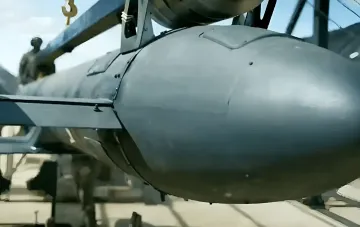
The sudden appearance of restrictions on the military service critically affected the tactics of using modern UAVs, which need to develop high speed at the initial stage of flight. According to sources in the Ministry of Defense of Ukraine, temporary communication losses lasting 10–20 seconds led to operator blindness and disruption of planned special operations. Representatives of the supplier company emphasize that restrictions for civil terminals existed from the beginning, but the introduction of similar measures for military platforms without warning created a serious operational challenge for unmanned systems units.