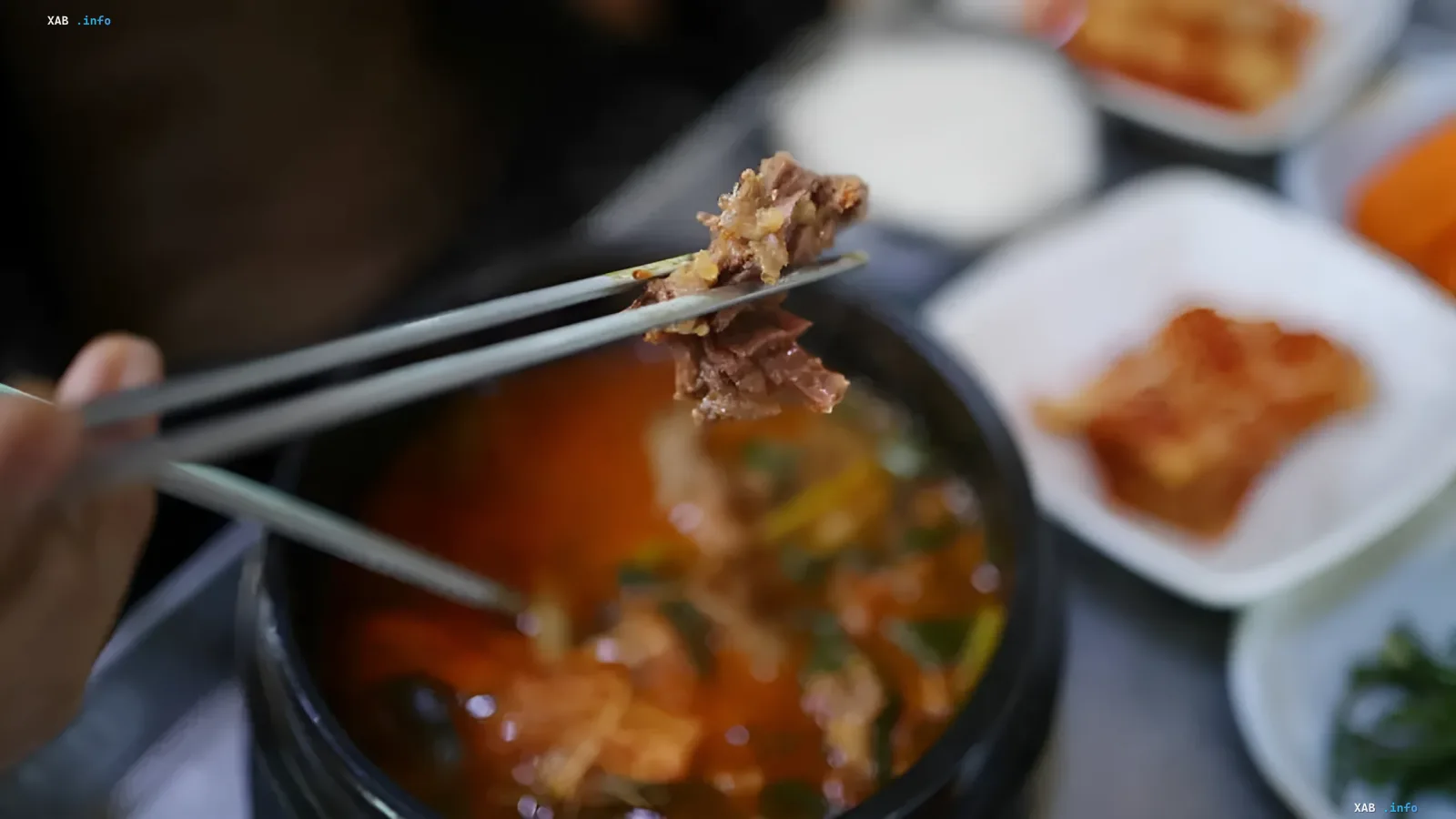
In North Korea, where unprecedented heat was recorded in early August 2026, state media issued an unusual dietary recommendation to the population. In conditions where air temperatures reached historical maximums, authorities advise consuming soups made from dog and chicken meat to protect the body from overheating. This recommendation was voiced in the newspaper of the ruling Workers' Party of Korea, 'Rodong Sinmun,' and supported by data from doctors at Pyongyang's main hospital.
Record heat and temperature anomalies
According to local meteorological services, on August 6, 2026, the air temperature in the country rose to 36.7 degrees Celsius. This figure became the highest in the entire history of meteorological observations in North Korea. Extreme weather caused concern among the country's leadership, which promptly included issues of survival under abnormally high temperatures in the information agenda. While North Korea records historical maximums, neighboring South Korea faced even harsher conditions: there, the temperature reached 42.5 degrees, a record since 1904, and the number of heat-related deaths exceeded 20.
Dietary advice from Pyongyang
The newspaper 'Rodong Sinmun' published detailed advice on proper nutrition during the summer season. Alongside traditional products that help cool the body — such as watermelon, cucumbers, and mung beans — meat soups took a special place in the recommendations. Experts named dog meat soup, fish, and red bean porridge as the most useful dishes for maintaining health during the heat. The publication specifically emphasizes that dog meat soup is a traditional national dish of the summer season. The authors of the article cited a folk saying emphasizing that such soup is considered a 'cure' even if accidentally spilled, symbolizing its exceptional value.
Culinary traditions and state support
Interestingly, interest in this dish is supported at the state level. It is reported that in early 2026, a republican competition for the best dog meat dish was held in the country, indicating the preservation and popularization of this tradition. The state news agency KCNA also recommended that citizens consume chicken soup with ginseng, rice, and jujube (Chinese date) as a beneficial summer dish. These recommendations are supplemented by state television advice to drink more water, swim, and exercise outdoors with caution.
Contradictory data
There is a discrepancy in the interpretation of the situation between official data and the actual state of affairs in the region. On the one hand, North Korean authorities have not reported any deaths related to the heat, which may indicate information suppression or a lack of systematic accounting. On the other hand, in South Korea, where climatic conditions are similar, more than 20 deaths have already been recorded. Furthermore, a source from June 14, 2026 (before the peak of the heat) reported a price increase for dog meat soup, which may indicate a resource shortage or rising demand not mentioned in the current government recommendations.
Regional context and consequences
The situation on the Korean Peninsula demonstrates how extreme climatic phenomena affect social and cultural practices. While South Korea faces direct human casualties, North Korea attempts to adapt through the promotion of traditional survival methods. This creates a unique contrast between the modern approach to climate threats and the preservation of archaic dietary practices. Authorities continue to monitor the situation, but the lack of transparent mortality statistics in North Korea leaves questions about the real scale of the problem.