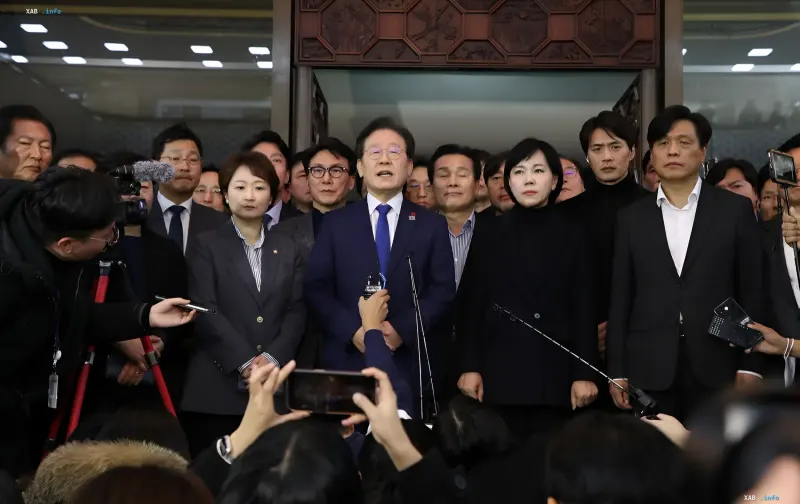
On the anniversary of Korea's liberation from Japanese colonial rule, South Korean President Lee Jae-myung delivered a pivotal speech defining the vector of Seoul's foreign policy for the coming years. The focus was on the proposal to conclude a permanent peace treaty with North Korea, which is intended to replace the 1953 armistice. Lee Jae-myung emphasized that the Korean War has technically remained unfinished for over 76 years and called on Pyongyang to negotiate with the aim of achieving peaceful coexistence.
Seoul's Plan: From Armistice to Peace Treaty
President Lee Jae-myung stated that Seoul is ready to take preemptive steps to reduce tensions on the peninsula. A key element of his strategy is the transition from a ceasefire regime to a full-fledged peace treaty. During the proposed negotiations, the parties could discuss not only political aspects but also effective measures to limit North Korea's nuclear potential. Lee noted that this approach is based on his campaign promise to respect the North Korean system and strive for peaceful coexistence, but emphasized the need to create multi-level security measures to contain escalation.
Pyongyang's Hardline Stance and Rejection of Dialogue
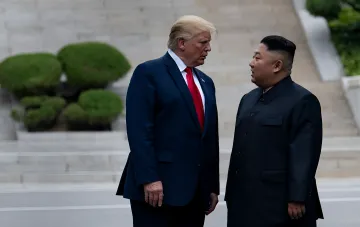
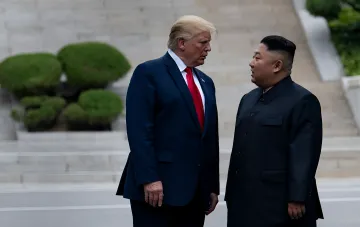
Despite the South's peaceful initiatives, relations between the two states remain frozen. North Korean leader Kim Jong Un previously officially rejected the policy of reunification, calling South Korea the "most hostile state" and ordering the strengthening of defenses on the front lines. Pyongyang rejected Lee's proposals to establish dialogue, criticized Seoul's plan to build nuclear submarines, and called joint US-South Korea military exercises provocations. Recently, North Korea stated that future military actions by Seoul's allies are bringing the world closer to nuclear war and warned of the right to "self-defense".
Contradictory Data
There is a significant gap between the rhetoric of the two sides. On the one hand, Seoul demonstrates a readiness for dialogue and proposes constructive measures for de-escalation. On the other hand, Pyongyang, citing the experience of its military's participation in the conflict in Ukraine, declares the need for hard confrontation. Experts note that North Korea is using the lessons of the war between Russia and Ukraine to prepare for a new conflict, which creates a dangerous dilemma for diplomats: how to negotiate peace with a regime that is actively building up its military potential and combat experience.
Geopolitical Context and Relations with Japan
In addition to the North Korean issue, Lee Jae-myung touched on the topic of relations with Japan. He called for not forgetting the past, but at the same time looking to the future, expressing hope to start a new 60 years of peace and prosperity with Tokyo as "close neighbors". This statement could become an important step in normalizing the regional agenda, but it is complicated by the ongoing military partnership between North Korea and Russia. South Korea has already adopted a package of sanctions in connection with this alliance, which adds tension to the Asian region.