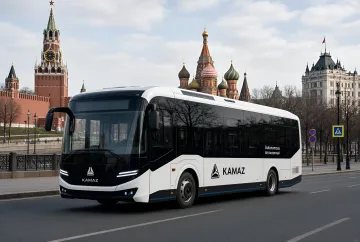
On August 18, 2026, a new era of public transport began in the Netherlands. Turkish company Karsan, in partnership with European operator Arriva, launched regular passenger services using the fully autonomous electric minibus e-ATAK. The innovative route is laid out in the famous Efteling amusement park, becoming the first project in this part of the country to receive official permission to operate on public roads without a driver.
Technological breakthrough and park logistics
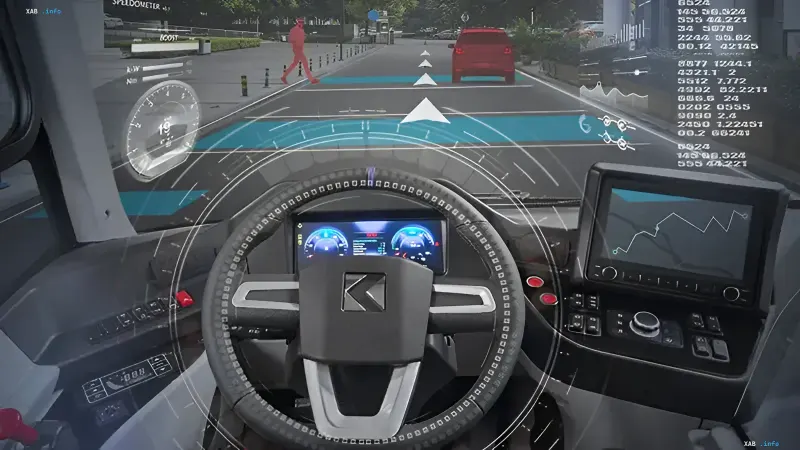
The e-ATAK bus, equipped with an autonomous driving system from the Turkish company Adastec, belongs to the fourth level of autonomy according to the SAE classification. This means that the vehicle is capable of performing all driving tasks in predefined conditions without human intervention. The route, 3.7 miles (approximately 6 km) long, connects the park's main entrance, the Wonder Hotel area, and several intermediate stops. For park visitors, a ride on this high-tech transport is included in the price of the entrance ticket and requires no additional payment.
Inclusivity and safety
Special attention was paid to accessibility during the development of the e-ATAK. The bus is equipped with special zones for transporting passengers in wheelchairs, making it an important element of the park's inclusive infrastructure. The official launch of the service took place on August 10, 2026, and regular trips began on August 12. The choice of Efteling for the pilot project is due to its high traffic — the park receives millions of tourists annually, allowing the technology to be tested under real, dense passenger flow conditions.
Karsan's strategy in the European market
For Karsan, this project became the second successful launch of autonomous transport in the Netherlands, following the operation of e-ATAK at Rotterdam The Hague Airport. The company's General Director, Utku Ayyarkın, emphasized that obtaining permission from Dutch authorities is confirmation of the technology's maturity and strengthens the brand's position in Europe. The company expects that successful operation in Efteling will become a catalyst for expanding autonomous transport projects in other countries on the continent.
Contradictory data
Although the project is positioned as fully autonomous, there remain unclear points in open sources regarding the direct control of the vehicle. According to the SAE Level 4 classification, the bus can operate without a driver, but only under certain conditions. Press releases and reports do not specify whether an operator is present in the cabin for emergency cases or if control is carried out exclusively remotely from a monitoring center. This detail remains in question, as safety in a park with a large gathering of children and tourists requires a flawless response protocol.