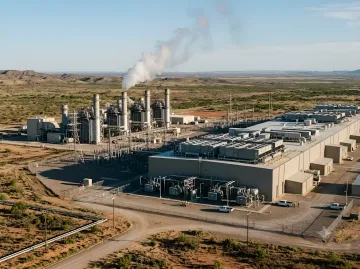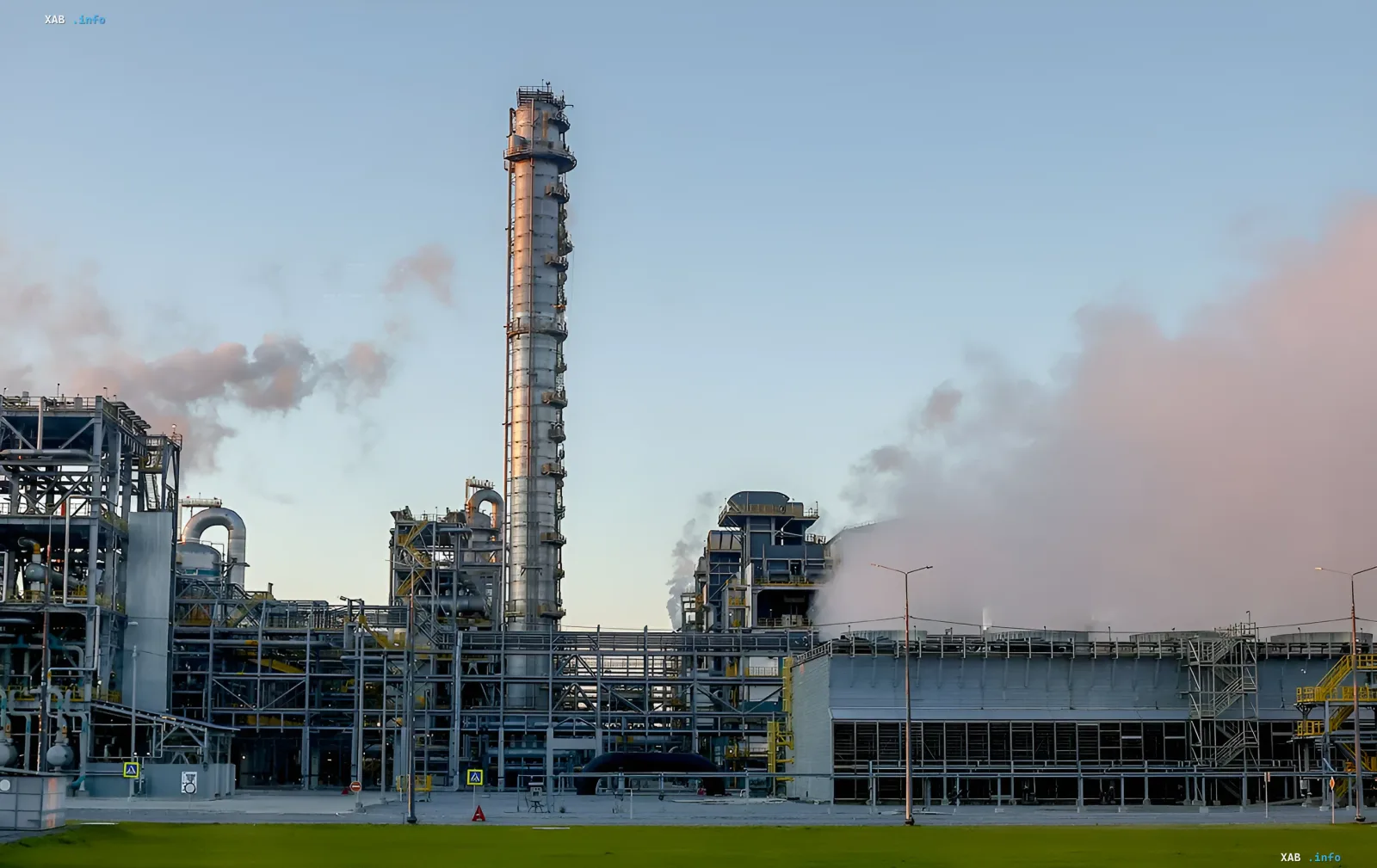
On August 11, 2026, news emerged of a major incident in Russia's energy infrastructure. The 'Sibur-ZapSibNeftekhim' petrochemical complex, located in Tobolsk, Tyumen region, has completely halted operations. The shutdown was caused by a drone attack that occurred last Monday, August 10. The facility, a key link in the supply chain for liquefied gas and petrochemical feedstock, has been taken out of service for an indefinite period to assess damage and carry out restoration work.
Economic consequences and supply disruption
The scale of the production halt has already affected market conditions. According to data from the St. Petersburg International Mercantile Exchange (SPIMEX), on Tuesday, August 11, no lots of liquefied gas were listed for shipment from the Tobolsk point. This is an unprecedented situation for this asset: earlier this year, the enterprise regularly offered about 4,000 metric tons of technical propane-butane mixture for sale per day. The market has lost a significant volume of supply, which will inevitably lead to price increases in the domestic market and a shortage of raw materials for related industries.
Strategic role of 'ZapSibNeftekhim' in the Russian industry
The significance of the incident is hard to overestimate, given the plant's production capacity. According to industry sources, 'ZapSibNeftekhim' produces about 6 million metric tons of liquefied petroleum gas (LPG) annually. This volume accounts for approximately 40% of the total production of liquefied gas in Russia. However, the critical factor is not only the export or domestic gas market but also domestic processing. About half of the liquefied gas produced at the plant is used as feedstock for petrochemical production at the integrated 'Sibur' complex in Tobolsk. Thus, the shutdown of the petrochemical block paralyzes the entire petrochemical cluster, creating a domino effect for the entire industry.
Details of the attack and loss data
According to the Ukrainian Special Operations Forces (SOF), the attack was carried out using drones that covered a distance of more than 2,000 kilometers. The SOF statement claims that after the strike, large-scale fires and infrastructure destruction were recorded on the territory of the complex. Russian sources confirm the fact of damage to the complex, but details regarding the extent of the destruction are not yet disclosed. Specialists are currently assessing the scale of equipment damage and possible consequences for the region's ecology, but exact timelines for resuming operations cannot be given yet.
Contradictory data
Currently, there are discrepancies in the assessment of the situation between official statements and data from independent sources. On the one hand, Ukrainian military structures (SOF) report recorded fires and destruction, emphasizing the success of the strike. On the other hand, Russian sources close to the enterprise confirm only the fact of the shutdown and damage, without commenting on the extent of the destruction, which may indicate an attempt to hide the real scale of the damage. In addition, exchange data on the complete absence of lots for sale can be interpreted in two ways: either as a reaction to a complete shutdown or as a temporary safety measure, although the publication's interlocutors lean towards the version of a long-term production shutdown.