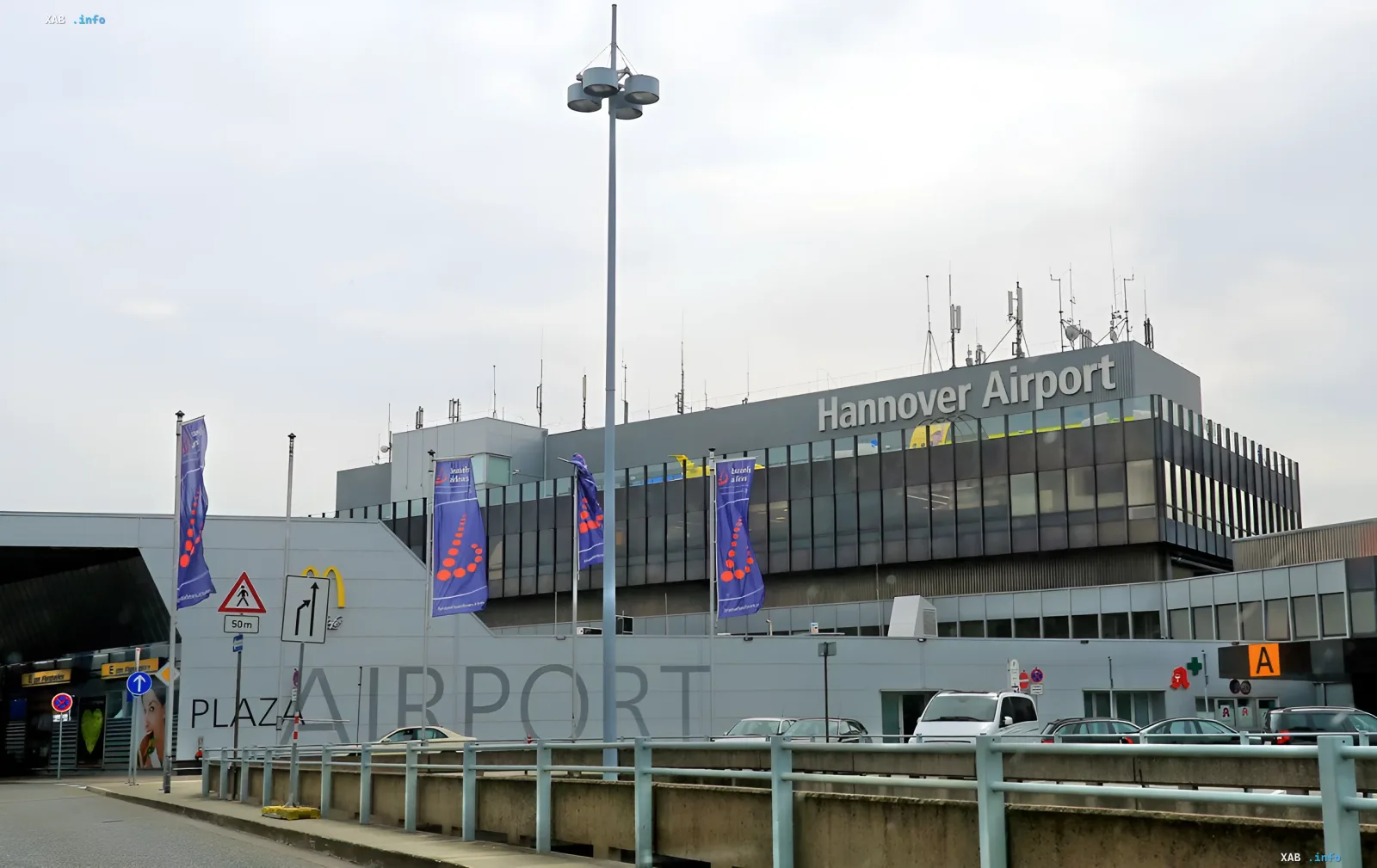
Night incident at Hannover-Langenhagen Airport
On the night of Tuesday, August 11, 2026, Hannover-Langenhagen Airport faced a serious aviation security breach. An unknown unmanned aerial vehicle (UAV) was spotted on the airport grounds and in its airspace throughout the night. The situation required immediate action from law enforcement and airport services, leading to periodic runway closures and a temporary halt in air traffic.
Police conducted an operation to track and locate the drone, which lasted about two hours. The incident caused significant concern given the strategic importance of the airport as a key transport hub. Despite active efforts by special services, the drone was not intercepted; however, the threat was neutralized, and traffic was gradually restored.
Hybrid threat and technical challenges
German police representatives emphasized in their statements the critical importance of airport infrastructure and the impossibility of ruling out the likelihood of hybrid activities. In the context of the current geopolitical situation, any incidents involving drones are viewed through the prism of potential attacks or reconnaissance operations. Officials noted that such actions could be part of a broader campaign to destabilize logistics chains.
Particular attention is drawn to the fact that the existing drone detection systems available to the Federal Police failed to detect this specific UAV. This suggests that the device is not a commercially available model that modern technologies are designed to identify. Experts suggest that the drone may have been modified or manufactured according to special blueprints, making it practically invisible to standard radars and detectors.
Connection to the Leipzig incident: theories and facts
A natural question arises regarding a possible link between the incident in Hannover and the recent event at Leipzig/Halle Airport. On the night of August 5, 2026, the Leipzig airport was also shut down after a suspicious object was discovered near the runway. It was later revealed that this was a targeted attack: an FPV drone with explosives crashed into the wing of a Ukrainian An-124 'Ruslan' cargo plane, precisely in the area of the fuel tanks.
Hannover police cannot yet confirm whether there is a direct link between the two incidents. However, the similarity of circumstances—nighttime, airspace violation, use of unknown UAVs—is prompting investigators to look for possible intersections. In particular, traces of DNA were found on the drone that attacked the plane in Leipzig, which had previously been recorded in Lithuania, indicating the international nature of the threat.
Contradictory data
At present, there are discrepancies in assessments of the scale of the threat and the effectiveness of countermeasures. On the one hand, the police state that the incident in Hannover was successfully prevented and the airport is operating in normal mode. On the other hand, experts in cybersecurity and critical infrastructure protection express concern that existing protection systems are not coping with new types of threats.
Furthermore, there is no consensus on whether the incident in Hannover is an isolated event or part of a coordinated campaign. While officials are calling for calm, independent analysts point to an increase in the number of similar incidents in Europe, which may indicate a systemic problem.
The future of airport protection against drones
The incident in Hannover has once again raised the question of the need to modernize airport protection systems against drones. Germany is already working on new technologies capable of detecting and neutralizing even the most complex and stealthy UAVs. In particular, options are being considered for the use of artificial intelligence, satellite monitoring, and specialized equipment for intercepting drone control signals.
The international community is also responding to these challenges. As part of cooperation between NATO and EU countries, standards for protecting critical infrastructure, including airports, from hybrid threats are being discussed. It is expected that new security protocols aimed at preventing such incidents will be adopted in the coming months.