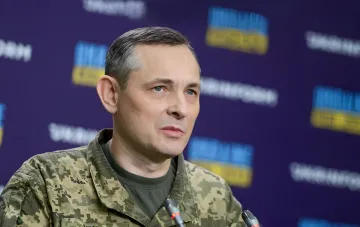
On the night of October 11, Russian forces launched a massive air attack on regions of Ukraine, deploying strike UAVs from five different directions. According to the official report of the Air Force of the Armed Forces of Ukraine, the enemy used combined weaponry, including Shahed-type drones—a significant portion of which were jet-powered—as well as Gerbera and Parodiya decoy drones.
Scale of the Attack and Geography of Launches
The assault was carried out simultaneously from several bridgeheads on the territory of the Russian Federation and temporarily occupied regions of Ukraine. In particular, launches were recorded from the areas of Oryol, Kursk, Primorsko-Akhtarsk, as well as from the occupied territories of the Donetsk region and the Crimean peninsula (Hvardiiske district). In total, radar stations recorded the launch of 116 enemy air attack weapons, creating a critical load on Ukrainian air defense units.
Air Defense Performance and Local Consequences
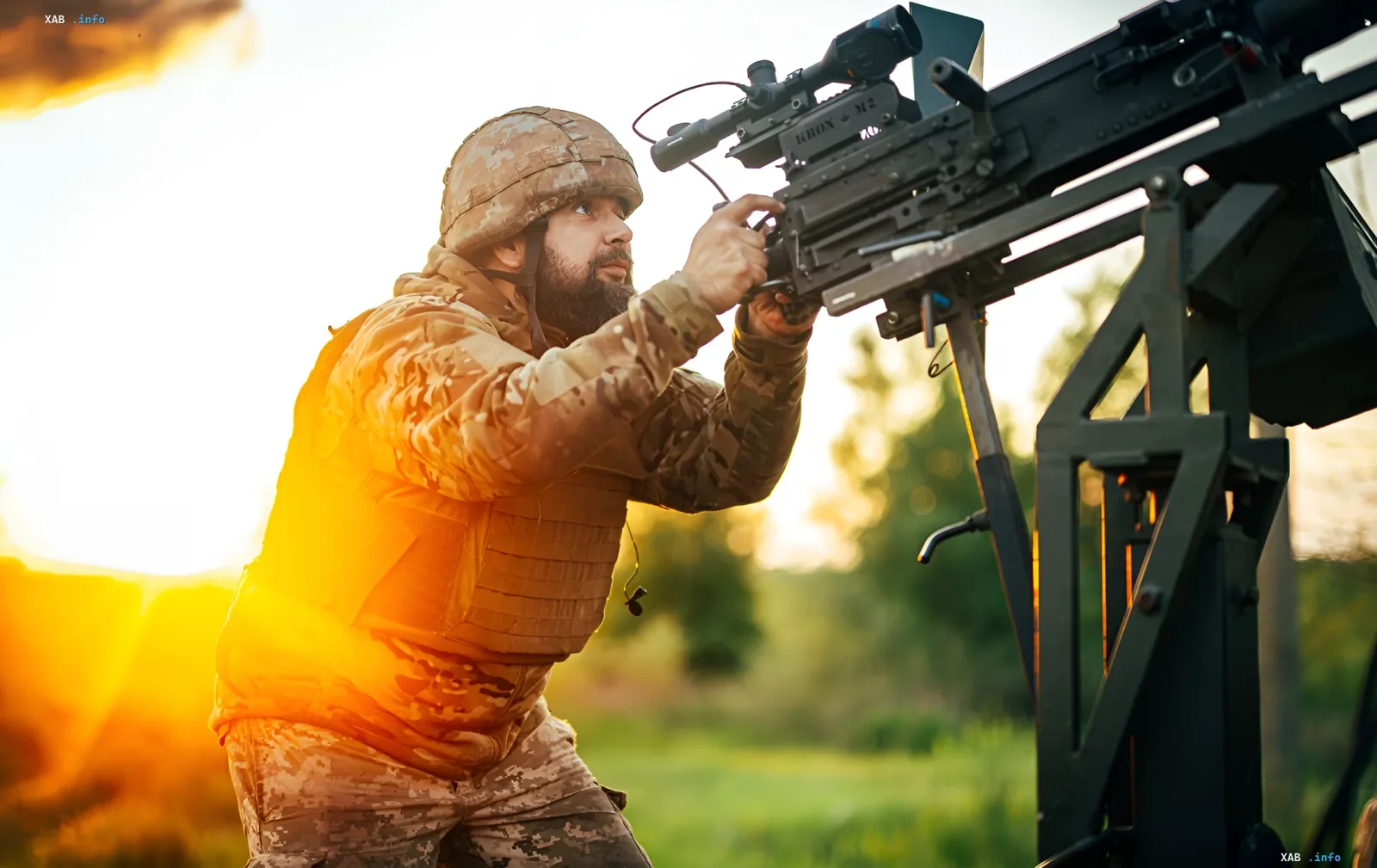
As of 08:30 AM, air defense forces and electronic warfare units managed to shoot down or suppress 94 enemy drones of various modifications. However, hits could not be entirely avoided. Impacts by 10 enemy drones were recorded across seven locations, and the fall of debris from downed aircraft was noted in another nine areas. Notably, in Dnipro, four people were injured as a result of the nighttime strike, including two 8-year-old girls. An apartment building and warehouses were damaged in the city, and rescue operations are ongoing.
Contradictory Data
It is worth noting that discrepancies in assessing the scale of the attack's repulsion appeared across various media sources. For instance, some monitoring channels and news aggregators initially reported the destruction of 63 drones, citing real-time operational reports, whereas the final official reports from the Air Force of the Armed Forces of Ukraine as of the morning of October 11 record 94 neutralized drones, taking into account electronic warfare efforts. Such differences are explained by the dynamic nature of nighttime attacks, ongoing combat operations against targets remaining in the air, and the time difference in recording interim and final results.