Yuriy Ihnat, Head of Communications for the Air Force Command, in a podcast for RBC-Ukraine titled "THIS IS BASE," discussed the challenges facing Ukraine's air defense system as of late October 2026. According to him, Russian forces are actively deploying upgraded jet-powered Shahed drones that now reach the Lviv and Volyn regions, testing their range and network-controlled capabilities. At the same time, issues persist regarding delays in ballistic missile launch warnings due to technical glitches experienced by international partners, while Ukraine continues to face an acute shortage of Patriot missiles to protect its skies.
Issues with Ballistic Threat Warnings
Timely informing citizens about missile strikes remains critically important given the high speed of ballistic weapons. Yuriy Ihnat confirmed that recent massive attacks saw instances where warnings were delayed or arrived simultaneously with explosions due to technical failures on the partners' side. Launch data is recorded by space reconnaissance and ground stations, then swiftly transmitted through the Air Force system to the State Emergency Service and popular mobile apps.
The updated "Air Raid Alert" app now displays information regarding cruise missiles, guided bombs, and drone trajectories, allowing the population to react more quickly. However, ballistic targets are not shown in the app interface due to their trajectory characteristics and short flight times, which require instant shelter. Specialists across relevant departments continue to improve alert algorithms to minimize the time gap between a launch and the activation of sirens in major cities.
Evolution of Threats and Jet Drones
A new serious threat to Ukraine's air defense has emerged in the form of jet-powered strike drones used by Russian forces against rear regions. While previously such devices were recorded primarily over Kyiv and central oblasts, the geography of their launches has now expanded to the country's western borders. Military officials note that the enemy is testing the flight range of these drones and improving coordination systems, requiring air defense forces to constantly adapt their interception tactics.
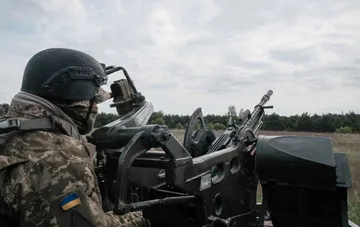
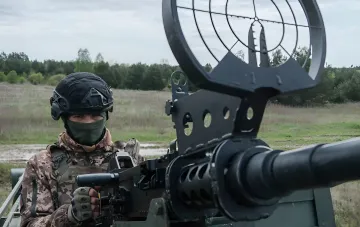
Ukrainian anti-aircraft gunners and mobile fire groups are successfully destroying jet-powered Shaheds using both standard missile systems and new interception tools. Manufacturers and military experts are developing cost-effective solutions to counter expensive jet drones, as expending scarce anti-air missiles on every single unit is extremely inefficient. Specialized units continue to demonstrate their effectiveness by turning dozens of enemy drones into scrap metal daily.
Missile Shortages and International Support
Supplying Western-made anti-aircraft missile systems, primarily Patriot batteries, remains a critical factor for the survival of Ukraine's energy grid and major cities. Due to the depletion of domestic stockpiles, Ukraine is urging European Union and US allies to transfer additional interceptors and finance the acquisition of new systems. The Ukrainian Defense Minister previously emphasized the urgent need for ammunition supplies to defend against ballistic strikes.
International partners continue consultations on accelerating arms deliveries, yet shortages of high-tech missiles are felt amid regular combined shellings. Ukrainian authorities have proposed a replacement mechanism where missiles transferred from European arsenals are replenished as future defense contracts are fulfilled. The promptness of these decisions will dictate the resilience of Ukraine's skies during the winter season.
Significance and Potential Consequences
The current situation in Ukraine's airspace demonstrates the transformation of modern armed conflicts, where unmanned aviation technologies outpace traditional detection means. Ukraine's ability to adapt alert systems, integrate artificial intelligence into interceptors, and maintain defense despite Western missile shortages will determine the security of critical infrastructure. Continued backing from international allies and the development of the domestic defense industry will remain decisive factors in repelling massive strikes.