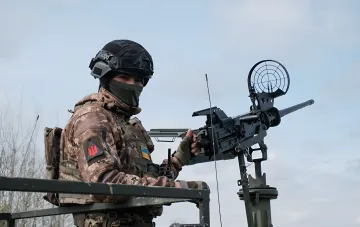
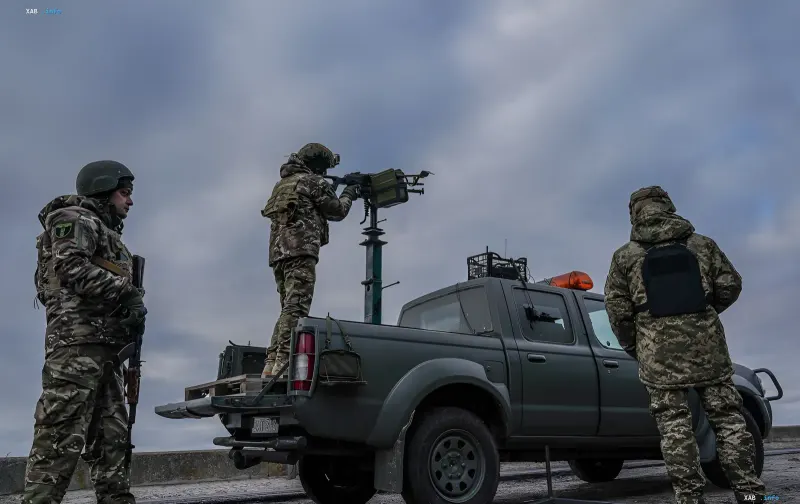
On the night of September 27, 2026, Russian forces launched a large-scale air attack across Ukraine using 170 strike drones of various modifications. According to the Air Force of the Armed Forces of Ukraine, the enemy used both traditional Shahed-type suicide drones, a significant share of which were jet-powered, as well as Gerbera UAVs and Parody decoy drones designed to exhaust and overload the Ukrainian air defense system.
Launch Geography and Raid Scale
The launch of air assault weapons was carried out from six strategic directions simultaneously. The enemy utilized launch sites in Oryol, Kursk, Primorsko-Akhtarsk, and Shatalovo in Russia, as well as in the temporarily occupied territories of the Donetsk region and the Crimean Peninsula (the Hvardiiske area). Such a dispersed route strategy was aimed at complicating the work of radio-technical troops and anti-aircraft units.
Air Defense Operations and Strike Consequences
As of 07:30 AM, Ukraine's air defense forces and electronic warfare systems successfully shot down and suppressed 147 enemy drones. However, avoiding all consequences was impossible: enemy air attack impacts were recorded at 18 locations, and the fall of dangerous debris from intercepted devices was noted at another 8 objects in various regions of the country, including the Odesa region, where port and civil infrastructure suffered serious damage.
Contradictory Data
During operational monitoring and the comparison of reports from current and past massive attacks, certain discussions arise regarding the accuracy of counting strike directions. While the current briefing indicates 6 involved launch directions, similar large-scale reports in previous reporting periods recorded activity from 7 directions. Experts note that enemy tactics are constantly evolving, creating difficulties for the initial verification of flight trajectories for combined drone groups.