The machine-building enterprises of DTEK Energy have drawn up interim results of the production campaign timed to the preparation of coal mines for the heating season. According to the company's official data, between January and August of this year the enterprises manufactured and repaired more than 1,100 units of mining equipment, as well as produced 1.4 million spare parts and components. This volume of output, the management stated, is necessary to ensure the uninterrupted operation of coal-mining enterprises during the period of heightened demand for heat and energy.
What was included among the new equipment
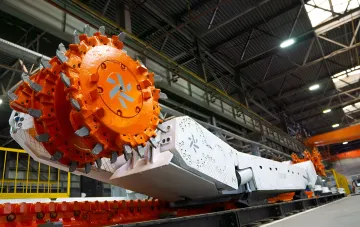
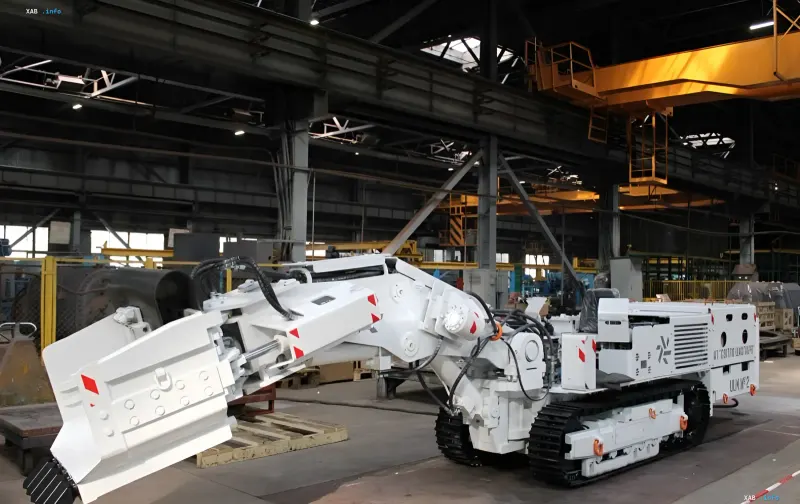
Among the newly manufactured items, the company highlights eight roadheader and longwall (coal-cutting) shears, as well as three electric motors of Ukrainian production. The shears are a key element of mechanized coal mining: roadheaders create new workings, while longwall shears carry out the direct extraction of coal seams. The production of domestically made motors underscores the course toward import substitution of critical components in conditions of limited access to foreign supplies.
Focus on the heating season
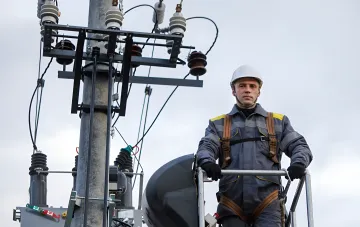
The General Director of DTEK Energy, Oleksandr Fomenko, stated that "all the efforts of Ukrainian energy workers, repair crews, miners and machine builders are directed at ensuring that the country gets through the upcoming heating season." According to him, machine builders are simultaneously producing new shears, repairing existing mining equipment, and manufacturing the components without which reliable mine operation is impossible. Thus, the production program is built around two loops: renewing the equipment fleet and maintaining already deployed units in working condition.
Investment context
The production figures fit into a broader investment cycle. By the end of 2025, DTEK of Rinat Akhmetov had invested 6.7 billion UAH in supporting Ukrainian coal mining. Over the 2022–2024 period, the volume of such investments exceeded 18 billion UAH, and cumulatively for 2022–2025 — almost 25 billion UAH. The funds were directed to the development and repair of mine workings, equipping longwall faces, and supporting the production capacity of the mines. It is precisely these investments that form the base on which the company's machine-building division is able to maintain current volumes of output and repair.
Contradictory data
When cross-checked against open publications, a discrepancy in the figures for the volume of spare parts produced is recorded. The main report for January–August cites a figure of 1.4 million spare parts, whereas a number of industry publications use different values in their headlines: 1.2 million spare parts in one publication and 2.3 million in another, attributed to the results of 2025. The most likely explanation is the difference in reporting periods (an interim eight-month snapshot versus an annual total) and differing methods of counting components. Nevertheless, readers should bear in mind that there is currently no single agreed-upon figure for spare parts in the public domain, and the output-volume benchmarks vary across sources.
Taken together, the presented data indicate that DTEK's machine-building division, ahead of the winter season, is operating in a mode of simultaneous production of new equipment, repair of the existing fleet, and manufacture of components — a task the company directly links to getting through the heating season without disruptions to coal mining.