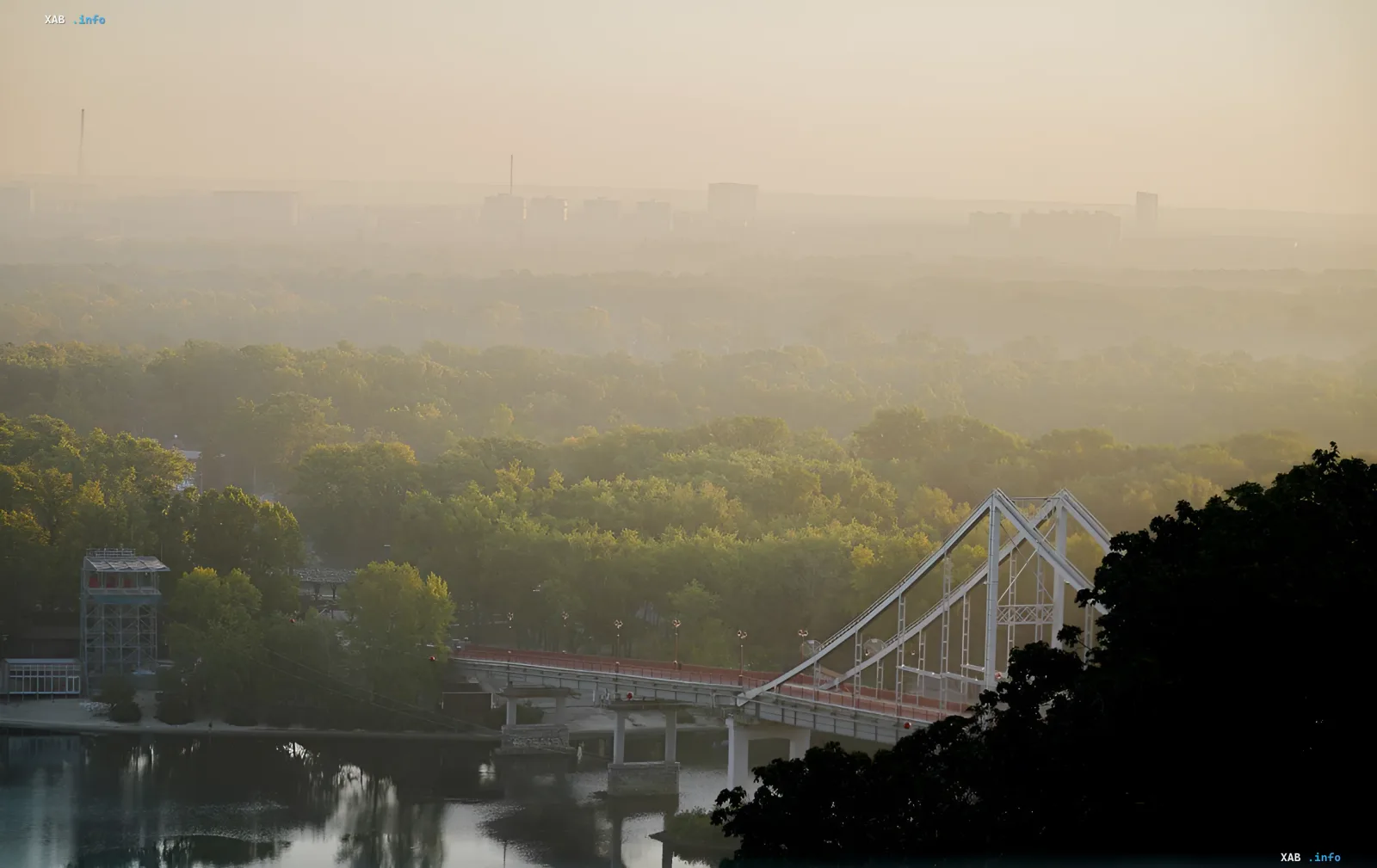
August 7, 2026. A temporary deterioration of atmospheric air quality has been recorded in a number of settlements in the Kyiv region. According to official data from the Kyiv Regional Military Administration (RMA), the cause of the alarming indicators is an elevated concentration of fine particulate matter (dust).
Geography of pollution and causes of the phenomenon
According to monitoring data, the deterioration of the environmental situation has covered several key cities and towns in the region. In particular, deviations from the norm have been recorded in the cities of Vyshhorod, Boyarka, Vasylkiv, Obukhiv, and Brovary, as well as in the towns of Ivankiv and Bilska Dymka. Experts link this surge not to technological emissions or the consequences of military hostilities, but to natural factors that have caused an accumulation of fine dust in the atmosphere.
Medical recommendations and risks
Specialists warn of potential health risks, especially for vulnerable groups of the population. High concentrations of fine dust can cause breathing discomfort, irritation of the mucous membranes, and exacerbation of chronic diseases. Those at increased risk include children, the elderly, and citizens sensitive to respiratory tract irritation. Doctors recommend limiting time spent outdoors and using personal protective equipment when leaving the house.
Radiation situation and monitoring
It is important to note that, despite the alarming indicators regarding dust pollution, the level of gamma radiation throughout the Kyiv region remains within the limits of the normal natural background. This rules out a radiological nature of the incident. Monitoring of the state of atmospheric air in the region is carried out around the clock in automatic mode. As of August 7, control is being conducted at 16 observation points, including the cities of Bila Tserkva, Boryspil, Pereiaslav, Kaharlyk, Uzyn, Bohuslav, Irpin, Vishneve, and the village of Podhorci.
Context: Situation in Kyiv
The current situation in the region is a continuation of events that occurred in the capital. On the morning of August 5, a deterioration in air quality was also recorded in some districts of Kyiv. At certain moments, a "red" level of atmospheric air pollution due to fine dust (PM2.5) was registered in the city. Peak indicators were recorded at 2a Pshenychna Street (168 AQI), as well as on Vakhanga Kikabidze Street, Ihor Turchin Street, and Peremohy Avenue. The highest concentration of dust was observed in the Sviatoshyn, Obolon, Solomianskyi, and Desnyanskyi districts.