Critical violation of standards in Kyiv region water bodies
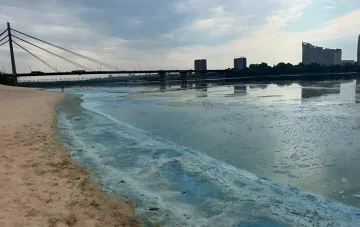
The situation in the Borshchahivka territorial community of the Kyiv region remains tense. According to the Kyiv Regional Center for Public Health (CRPH), laboratory tests have confirmed serious pollution of water bodies. In water samples taken from local water bodies, specialists recorded simultaneous violations of standards for six indicators. Among the identified pollutants are dissolved oxygen, iron, manganese, phenols, ammonium, and organoleptic indicators. Experts note that such a spectrum of pollutants may indicate the entry of organic compounds into the aquatic environment.
Mass fish death and the sewage theory
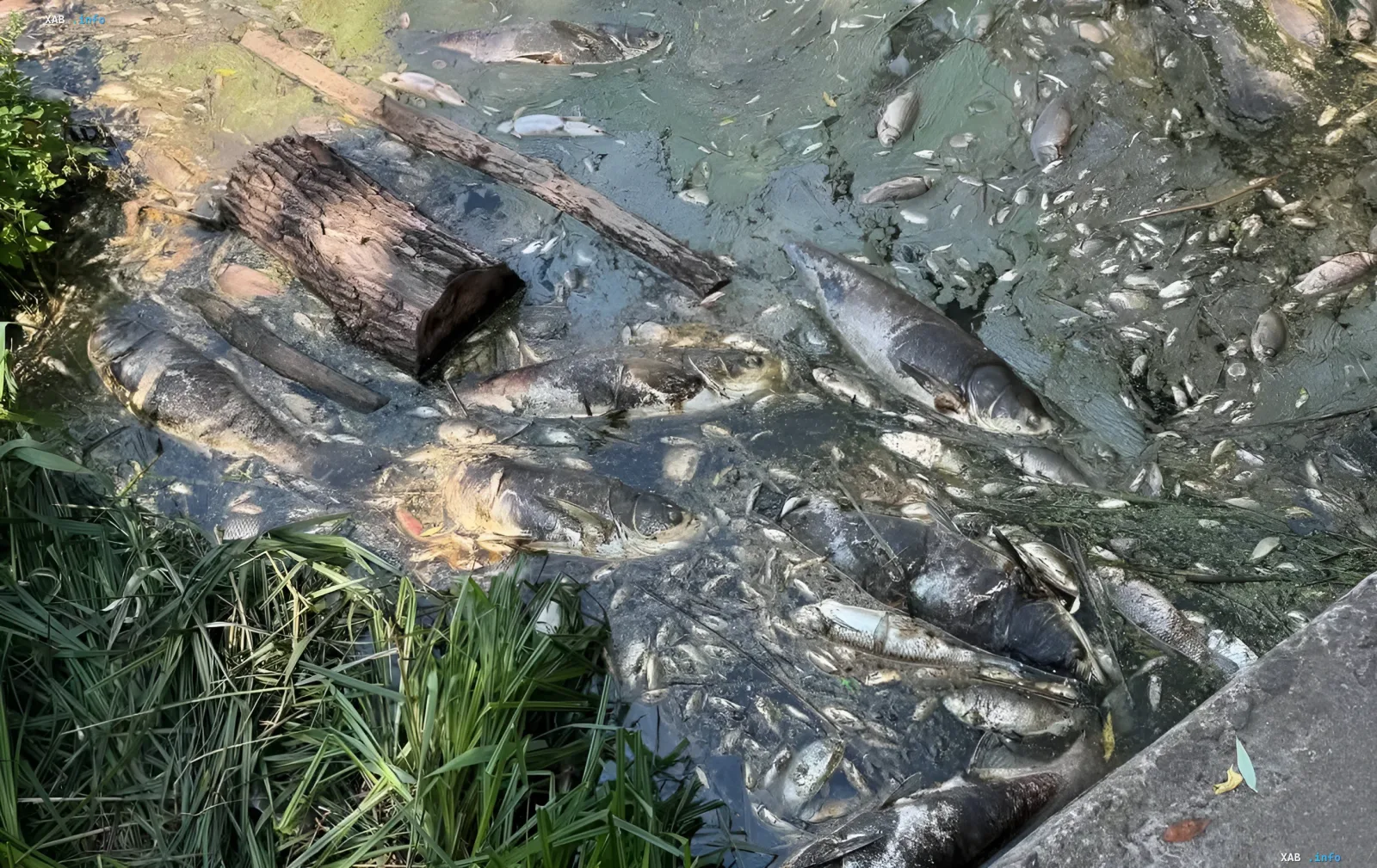
Visual confirmation of the ecological problem was the mass fish death recorded on August 11. According to preliminary estimates, about three tons of fish died in the water bodies. The Head of the Kyiv Regional Military Administration, Tymur Tkachenko, voiced a preliminary version of the incident: during the elimination of a sewage collector breakthrough, wastewater was pumped into Kyiv's stormwater network, which flows directly into the water bodies of the Borshchahivka community. This explains the presence of ammonium and phenols in the water, which are characteristic of domestic sewage.
Danger of invisible pollution: doctors' warnings
CRPH specialists urge residents not to trust the appearance of the water. The transparency of a water body does not guarantee its purity: chemical pollutants have no color, smell, or taste. In this regard, strict safety recommendations have been introduced. Boiling water in this situation is useless — it kills microbes but does not remove chemicals. Household filters are also not recommended, as they are not designed to neutralize such concentrations of toxic compounds. Restrictions apply to water from wells, boreholes, drinking fountains, and water bodies, but do not apply to centralized water supply.
Chronology of events and current status
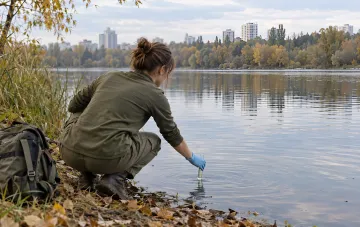
On the morning of August 13, no complaints related to the incident were received by medical institutions. However, doctors recommend immediately contacting a family doctor if symptoms of poisoning appear: nausea, vomiting, diarrhea, rash, or irritation of the skin and eyes. During the inspection, specialists took 17 samples: four samples of drinking water from wells and boreholes, six from water bodies, and seven from the soil. The final conclusion on well and soil samples, as well as the decision on the introduction of official restrictions, are promised to be published on August 17, 2026.