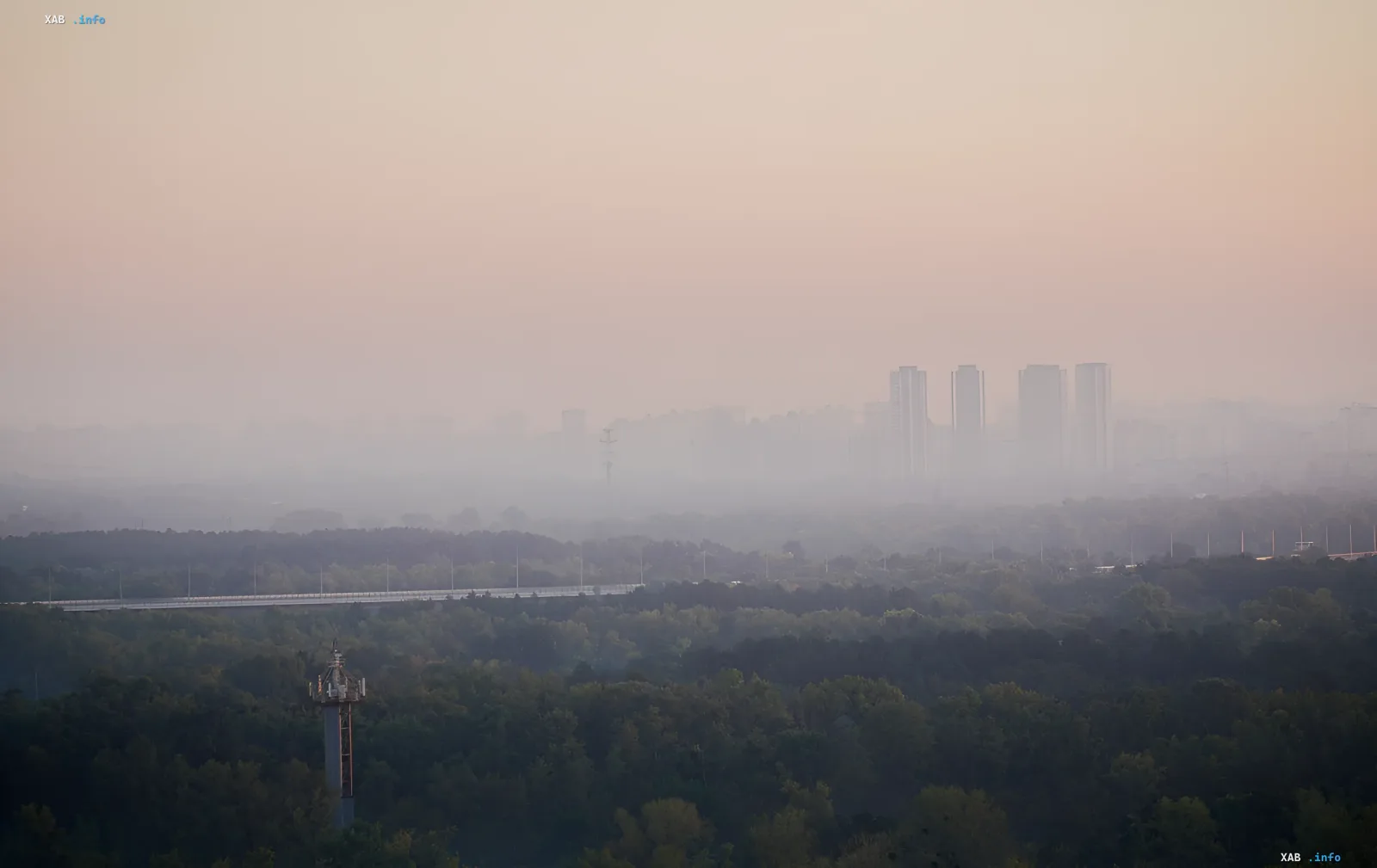
On the night of 1 September 2026, a massive strike was carried out over Ukrainian territory using rockets of various types and hundreds of drones. Against the backdrop of these events, the Kyiv Oblast Military Administration (Kyiv OVA) reported a temporary deterioration in the quality of atmospheric air in several settlements of the region. According to round-the-clock monitoring data, the main pollutant was fine particulate dust, recorded at moderate concentrations. This is reported by RBC-Ukraine, citing a statement from the oblast military administration.
Nature of the pollution and its health impact
According to the Kyiv OVA statement, the exceedance of permissible levels is due specifically to dust, not to chemical or biological substances. At moderate concentrations, fine particulate dust can cause minor breathing discomfort, especially in people with heightened sensitivity of the airways. The administration emphasises that the situation is temporary and is being recorded as part of the planned round-the-clock air quality control.
Recommendations for residents
To reduce the negative impact on health, residents of the affected settlements are advised to limit their time outdoors until the situation improves, as well as to close windows and doors in their premises. Additional precautions apply to people with respiratory diseases and children, who are recommended to stay in enclosed spaces whenever possible until air levels return to normal.
Status of other indicators in the region
In other settlements of Kyiv Oblast where monitoring is conducted, no exceedances of permissible levels of chemical or biological substances have been detected. The Kyiv OVA separately stressed that the level of gamma radiation in the oblast corresponds to the natural background and poses no threat to residents. Thus, the recorded deterioration is limited to local dust pollution at specific points in the region.
Context: the night attack and possible causes of the dust
The deterioration in air quality coincided in time with the massive strike, in which, according to reports, drones, cruise and ballistic missiles, as well as "Bandierol"-type missiles were used. Dust pollution under such conditions is usually linked to the aftermath of strikes — destruction, fires, and suspended soil particles. This is precisely why the recommendations to close windows and limit going outside are framed as a temporary measure until the situation stabilises.
Contradictory data
There are discrepancies in the details across statements and publications on the topic. The Kyiv OVA and RBC-Ukraine speak of three settlements where the deterioration was recorded, while the publication "Korrespondent" refers in its headline to four cities in Kyiv Oblast, linking the pollution to fires following the attacks. In addition, the UNN agency mentions "38 enemy attacks" in its headline as the context for the air quality deterioration, whereas the Kyiv OVA statement does not cite a specific number of strikes. The differences in the number of affected locations and in the attack figures may be explained by the different timing of data collection and monitoring updates; both versions are presented for completeness.