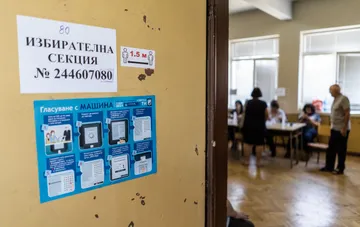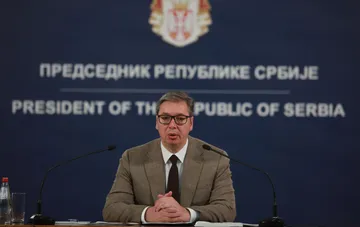
Early parliamentary elections are being held in Serbia on October 25, 2026, marking one of the most tense political showdowns in the country's recent history. Former President Aleksandar Vucic stepped down early to head the Serbian Progressive Party ticket and run for the prime minister's seat. The vote takes place amid unprecedented voter turnout and a powerful protest movement that has united citizens around demands to combat corruption.
Background of the Vote and Causes of the Political Crisis
The decision to hold early elections was made in September 2026 following nearly two years of continuous anti-government protests. The catalyst for the large-scale demonstrations was the tragic canopy collapse at the railway station in Novi Sad in 2024, which killed 16 people. This tragedy exposed systemic issues in infrastructure and governance, escalating into a nationwide movement against corruption and growing authoritarian tendencies.
Seeking to reset the legitimacy of power, Aleksandar Vucic announced his resignation after two presidential terms and dissolved parliament on September 9. Supporters of the ex-president emphasize the economic achievements of his rule, including large-scale infrastructure construction, roads, hospitals, and schools, as well as promises of further increases in pensions and public sector wages. In foreign policy, Vucic traditionally balances maintaining ties with Russia and China while officially pursuing EU integration.
Student Opposition and Key Contenders in the Race
The ruling party's main challenger in these elections is a robust student and civic movement formed during the two years of protests. The opposition list includes 250 candidates, featuring university lecturers, academics, actors, and farmers. The alliance is led by cardiologist Ilija Srdanovic, who advocates for radical reforms in education, healthcare, and the eradication of corruption.
Polling agencies recorded a record turnout on election day. According to CeSID and Ipsos, turnout reached 27.3% as of 11:00 AM, compared to just 15.1% at the same hour during the 2023 parliamentary elections. Observers noted massive queues at polling stations, where voters waited for hours to cast their ballots. Aleksandar Vucic himself waited nearly two hours in line before dropping his ballot into the box.
Voting Progress and Potential Consequences of the Election
Polling stations in Serbia are scheduled to close at 8:00 PM local time, with the first preliminary official results expected about two hours later. Opinion polls predicted an extremely tight race, threatening the ruling Serbian Progressive Party's monopoly on power held since 2012. Observers have already reported potential irregularities concerning voter registries and ballot secrecy.
The outcome of this electoral cycle will determine not only Serbia's domestic trajectory but also its international standing. An opposition victory could bring substantial adjustments to Belgrade's foreign policy, including relations with traditional partners like Moscow and Beijing, as well as the pace of rapprochement with the European Union. The authorities have categorically denied all allegations of irregularities, corruption, and pressure on opponents.