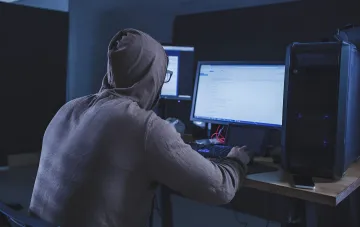

Russian special services and affiliated structures have intensified a large-scale campaign to recruit underage citizens of Ukraine via the internet. Using social networks, popular online games, and encrypted messengers, perpetrators purposefully target vulnerable audiences among teenagers, promising them easy earnings and material benefits.
The Anatomy of Recruitment: From Memes to Blackmail
The scheme of involving teenagers in illegal activities is built on subtle psychological manipulations. Interaction often begins with harmless communication on general topics such as music, memes, or video games. Gradually, recruiters gain trust, collect personal data, and identify the child's vulnerabilities. Subsequently, if financial motivation fails, direct threats, intimidation, and outright blackmail come into play.
Statistics and the Role of Platforms
According to analytical and journalistic investigations, Telegram remains the main platform for recruitment activity. At the same time, statistics show that about 80% of minors who made contact and agreed to carry out criminal tasks were motivated precisely by the prospect of quick enrichment. Experts and authorized officials emphasize that the aggressor cynically uses children's curiosity as a weapon in a hybrid war.
Contradictory Data
While official authorized structures focus primarily on financial incentives and psychological pressure in the online environment through social networks and messengers, independent human rights organizations point to the parallel existence of offline recruitment. In the temporarily occupied territories, the process of militarization and youth involvement is institutionalized, including the forced reorientation of school events and leisure into military training elements, which differs significantly from network recruitment methods in territory controlled by Ukraine.
Security and Countermeasures
State bodies and law enforcement agencies urge parents to be extremely attentive to children's digital safety. It is important to regularly discuss the risks of transferring personal data to strangers, monitor the appearance of unexplained gifts or large sums of money in a child's possession, and record sharp changes in behavior. At the slightest suspicion of recruitment, it is strictly forbidden to try to handle the situation independently—you must immediately contact the National Police at 102 or specialized Cyberpolice units.