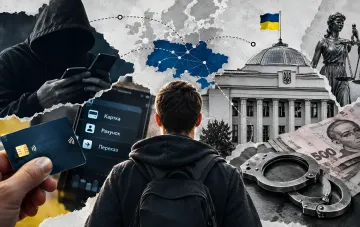
The modern labor market and internet space are full of advertisements for quick and easy earnings that do not require professional skills. However, tempting offers to transfer other people's money through your own bank card for a small reward often turn out to be a trap. The Ministry of Justice of Ukraine officially warns citizens about the serious legal and financial risks associated with such "cooperation", which in practice is part of criminal money laundering schemes.
Who are "money mules" and how the scheme works
In international and law enforcement practice, individuals who provide their accounts for the transit of illegal funds for a commission are called "money mules" or drops. The essence of the scheme is that criminals use other people's bank details to hide the traces of criminal activity, whether it is drug trafficking, cyber fraud, or tax evasion. Since all financial transactions are carried out through your card, you act as the formal owner and executor of transactions before the bank and the law, assuming full responsibility.
Main signs of financial fraud
Experts and law enforcement officers identify several characteristic markers that should immediately alert a potential "worker". First, it is an offer of high remuneration for minimal effort and time spent. Second, the criminals' demands to open a new bank account specifically to perform these tasks or to give them full access to the mobile application and card details. Third, you should be alerted by a complete lack of transparency: the organizers of the scheme cannot or do not want to clearly explain the origin of the funds and the real economic meaning of the transfers performed.
What to do if you encounter fraudsters
If you or your loved ones have already unintentionally become participants in such a chain of transfers, you need to act immediately. You should completely stop any fund transits, contact your bank's support to block the account, and report what is happening to the Cyber Police via the official electronic portal. Remember that financial security begins with basic hygiene: never transfer your bank cards, PIN codes, secret passwords, and full control over online banking to unauthorized persons.