
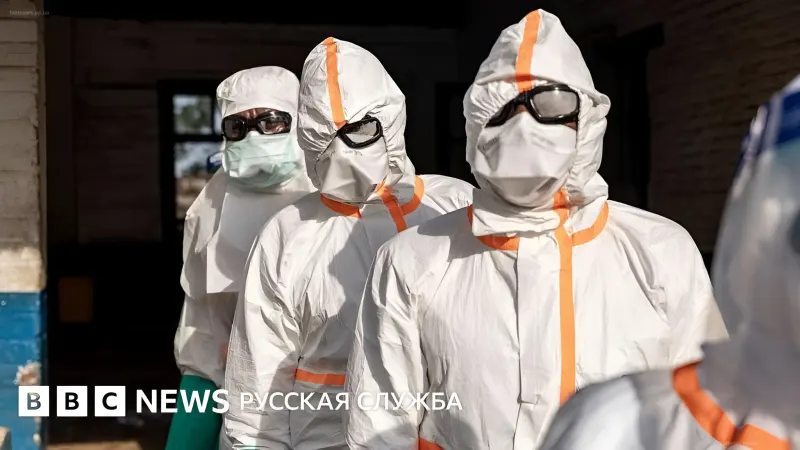
In the Democratic Republic of Congo, a scenario that experts call a "catastrophic combination" is unfolding. While the world watches global conflicts, a war is raging in eastern Africa, paralyzing efforts to stop a new Ebola virus outbreak. The head of the World Health Organization, Tedros Adhanom Ghebreyesus, did not use euphemisms: he stated directly that hostilities make saving lives impossible.
War as a Catalyst for the Epidemic
The situation in the Ituri province has spiraled out of control. The virus is spreading faster than medical workers can respond. According to the latest data, 900 cases of infection have already been confirmed, and the death toll has exceeded 220 people. However, the main problem is not the virus itself, but the conditions under which medical staff have to work.
Ghebreyesus described the reality on the ground without embellishment: "As long as bombs continue to fall, we cannot isolate the sick or count on the trust of the population." Humanitarian workers face a double challenge: they must contain a deadly infection while avoiding crossfire from armed groups.
Why It Is Impossible to Stop the Virus
Epidemiological safety requires stability, which is absent in the region. The mass movement of refugees, forced to flee the fighting, destroys quarantine zones. People who have come into contact with the infected hide in overcrowded camps, where the virus finds new ground for spread.
Furthermore, the medical infrastructure is under threat. Attacks on hospitals and clinics make it impossible to track contacts and treat patients. The authorities of the DRC are looking for more than 3,600 people who may have been infected, but in conditions of chaos, this is an almost impossible task.
New Strain and Lack of Medicines
The nature of the virus itself adds to the complexity. The outbreak is caused by the "Bundibugyo" strain, which remains little studied. At present, neither vaccines nor approved drugs have been developed against it. This makes every case of infection deadly.
The situation is exacerbated by the distrust of the local population. People, frightened by previous outbreaks and military violence, often hide symptoms or obstruct the work of medics. Last week, in the epicenter of the crisis, a mob set fire to part of a hospital, demanding the body of a deceased relative, which only worsened the sanitary situation.
International Response and Call for Ceasefire
The WHO is calling on all warring parties to immediately cease fire to ensure safe access for doctors to affected areas. Tedros Adhanom Ghebreyesus personally arrived in the country to coordinate efforts, but admits that without a ceasefire, humanitarian organizations will not be able to deploy a full-fledged system to combat the epidemic.
The virus has already crossed the border, penetrating into Uganda, where seven cases have been recorded. Experts warn: if hostilities are not stopped, the outbreak could spiral out of control and turn into a regional catastrophe.


